

Hey there! As a supplier of Roller Chain Tension, I've been getting a lot of questions lately about whether temperature affects roller chain tension. So, I thought I'd dive into this topic and share some insights with you all.
First off, let's talk about what roller chain tension is and why it's important. Roller chain tension refers to the amount of force applied to a roller chain to keep it properly seated on the sprockets and prevent it from slipping or coming off. Maintaining the right tension is crucial for the smooth operation of machinery, as it ensures efficient power transmission, reduces wear and tear on the chain and sprockets, and extends the lifespan of the entire system.
Now, let's get to the main question: does temperature affect roller chain tension? The short answer is yes, it does. Temperature can have a significant impact on the tension of a roller chain, and understanding this relationship is essential for ensuring optimal performance and reliability.
How Temperature Affects Roller Chain Tension
When the temperature changes, the physical properties of the roller chain and the materials it's made of also change. Most metals, including those used in roller chains, expand when heated and contract when cooled. This thermal expansion and contraction can cause the length of the chain to change, which in turn affects its tension.
Expansion at High Temperatures
At high temperatures, the roller chain expands, causing it to become longer. If the chain is installed in a fixed-length system, this expansion can lead to a decrease in tension. As the chain gets longer, it may start to sag between the sprockets, which can cause problems such as increased vibration, noise, and wear on the chain and sprockets. In extreme cases, the loose chain may even come off the sprockets, leading to a breakdown of the machinery.
For example, in a Radiation Furnace Tube where the temperature can be extremely high, the roller chains used to move the tubes need to be carefully monitored. The expansion of the chain due to high temperatures can lead to a loss of tension, which may affect the smooth movement of the tubes and potentially damage the equipment.
Contraction at Low Temperatures
Conversely, at low temperatures, the roller chain contracts and becomes shorter. This contraction can cause an increase in tension, which may put excessive stress on the chain, sprockets, and other components of the system. Over time, this increased stress can lead to premature wear and failure of the chain and related parts.
Consider a Heavy Duty Decoiler operating in a cold environment. The roller chain in this machine may contract due to the low temperature, resulting in increased tension. If the tension is not properly adjusted, it can cause the chain to stretch or break, leading to costly downtime for repairs.
Factors Affecting the Impact of Temperature on Roller Chain Tension
The extent to which temperature affects roller chain tension depends on several factors, including:
- Material of the Chain: Different materials have different coefficients of thermal expansion. For example, steel chains have a relatively high coefficient of thermal expansion compared to some other metals, which means they are more likely to expand and contract significantly with temperature changes.
- Initial Tension: The initial tension of the chain when it is installed also plays a role. If the chain is initially under too much tension, the increase in tension due to contraction at low temperatures may cause it to break more easily. On the other hand, if the initial tension is too low, the decrease in tension due to expansion at high temperatures may lead to slippage.
- Operating Conditions: The frequency and magnitude of temperature changes, as well as the duration of exposure to high or low temperatures, can all affect the impact on roller chain tension. For instance, a chain that is exposed to rapid temperature fluctuations may experience more stress and fatigue compared to one that operates in a more stable temperature environment.
Managing Roller Chain Tension in Different Temperatures
To ensure the proper functioning of roller chains in different temperature conditions, it's important to take appropriate measures to manage the tension. Here are some tips:
- Regular Inspection: Regularly inspect the roller chain for signs of wear, damage, and changes in tension. This can help you detect any issues early on and take corrective action before they lead to more serious problems.
- Adjustment: Depending on the temperature changes, you may need to adjust the tension of the roller chain. This can be done by using tensioners or by adjusting the position of the sprockets. Make sure to follow the manufacturer's guidelines for proper adjustment.
- Use of Temperature-Resistant Materials: Consider using roller chains made of materials that are more resistant to temperature changes. Some specialty chains are designed to withstand high or low temperatures better than standard chains, which can help reduce the impact of temperature on tension.
- Proper Lubrication: Lubrication is essential for reducing friction and wear on the roller chain. In different temperature conditions, it's important to use the right type of lubricant that can maintain its properties. For example, in high-temperature environments, a high-temperature lubricant may be required.
Our Roller Chain Tension Solutions
As a supplier of Roller Chain Tension, we understand the importance of providing high-quality products that can perform well in different temperature conditions. Our roller chain tensioners are designed to be durable, reliable, and easy to adjust, allowing you to maintain the optimal tension of your roller chains regardless of the temperature.
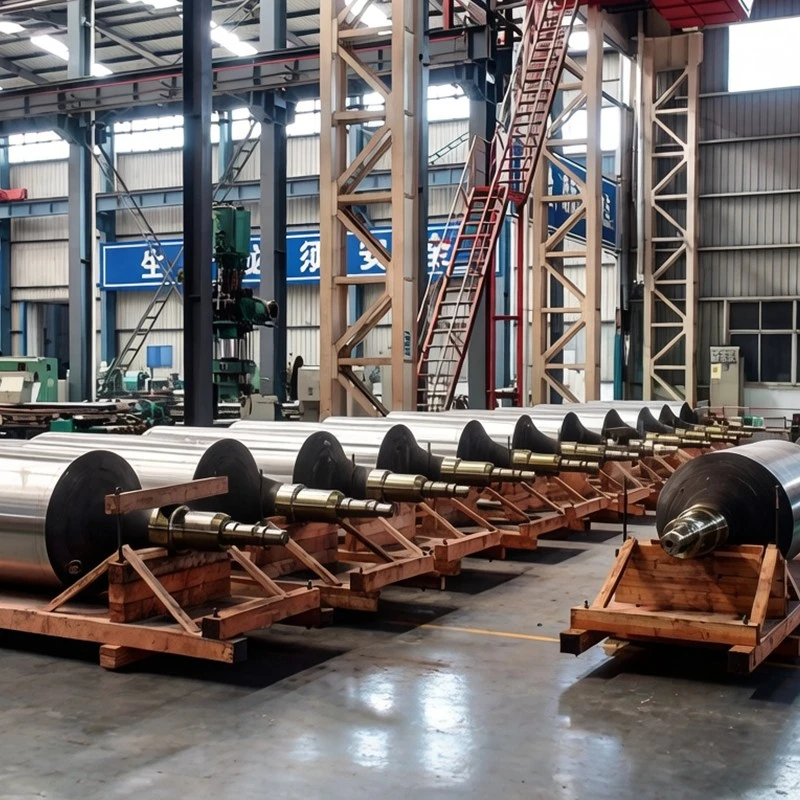
We also offer a range of other products related to cold-rolling equipment, such as Furnace Roller, Belt Wrapping Machine, and Heavy Duty Decoiler. Our team of experts is always ready to provide you with technical support and advice to help you choose the right products for your specific needs.
Contact Us for Procurement
If you're in the market for roller chain tensioners or other cold-rolling equipment, we'd love to hear from you. Whether you have questions about our products, need a quote, or want to discuss your procurement needs in detail, don't hesitate to reach out. We're committed to providing you with the best products and services to ensure the efficient and reliable operation of your machinery.

References
- Machinery's Handbook, 31st Edition, Industrial Press Inc.
- ASME B29.1 - 2011, Roller Chains, Attachments, and Sprockets
- Manufacturer's documentation for roller chain products.