

Proper ventilation is crucial for the safe and efficient operation of heating furnaces. As a reputable heating furnace supplier with in - depth knowledge of these systems, I am here to share some essential guidelines on ensuring adequate ventilation for heating furnaces.
Understanding the Importance of Ventilation
Ventilation serves multiple critical functions for a heating furnace. Firstly, it provides the necessary oxygen for the combustion process. Without an adequate supply of oxygen, the fuel in the furnace cannot burn completely. Incomplete combustion leads to a range of issues, including the production of carbon monoxide (CO), a colorless and odorless gas that is extremely toxic to humans and animals. A well - ventilated system ensures that carbon monoxide is expelled safely from the premises, preventing potentially fatal poisoning incidents.
Secondly, proper ventilation helps in removing the hot combustion gases. These gases contain not only carbon dioxide but also other by - products of combustion, such as nitrogen oxides and sulfur dioxide. If these gases are allowed to accumulate inside the furnace or the surrounding area, they can cause corrosion to the furnace components and the building structure, reducing the lifespan of the furnace and posing safety risks.
Types of Heating Furnaces and Ventilation Requirements
We offer a wide range of heating furnaces, each with specific ventilation needs. For example, our Hydrogen Production Converter is designed for the petrochemical industry. This type of furnace operates at high temperatures and requires a ventilation system capable of handling large volumes of hot, potentially hazardous gases. The ventilation should be designed to maintain the correct air - to - fuel ratio for efficient hydrogen production and to prevent the build - up of explosive gas mixtures.
The Steam Reformer Furnace is another key product in our portfolio. It is used to convert hydrocarbons into hydrogen and carbon monoxide through a steam reforming process. Adequate ventilation is essential to remove the steam and other reaction products and to ensure that the combustion process is stable. The ventilation system should be able to operate continuously under high - temperature and high - pressure conditions, often requiring specialized materials and robust engineering.
Our PX Heating Furnace is used in the production of paraxylene (PX), an important raw material in the petrochemical industry. The furnace operates in a complex chemical environment, and proper ventilation is necessary to prevent the release of harmful chemicals into the atmosphere. The ventilation system should be designed to capture and treat the exhaust gases, minimizing the environmental impact and ensuring compliance with strict environmental regulations.
The Diesel Hydrotreater Heater is used to heat diesel fuel during the hydrotreating process. This process involves reacting diesel with hydrogen to remove sulfur and other impurities. The ventilation system for this furnace must be designed to handle the hydrogen gas and the by - products of the hydrotreating process. It should be able to maintain a safe environment by preventing the accumulation of explosive hydrogen - air mixtures.
The Ethylene Cracking Furnace is used to break down hydrocarbons into ethylene and other valuable chemicals. This furnace operates at very high temperatures and generates a large amount of heat and exhaust gases. The ventilation system needs to be powerful enough to remove the hot gases quickly and to maintain a stable temperature inside the furnace for optimal cracking efficiency.
Designing an Effective Ventilation System
When designing a ventilation system for a heating furnace, several factors need to be considered.
1. Airflow Rate: The airflow rate is determined by the size of the furnace, the type of fuel used, and the combustion process. A general rule of thumb is to ensure that there is enough fresh air entering the furnace to support complete combustion. For example, natural gas - fired furnaces typically require a certain volume of air per cubic foot of gas burned. Calculating the correct airflow rate is crucial to prevent incomplete combustion and the production of harmful gases.
2. Ductwork Design: The ductwork is responsible for transporting the fresh air to the furnace and the exhaust gases out of the building. The ducts should be sized correctly to minimize pressure losses and to ensure a smooth flow of air. They should also be made of materials that can withstand the high temperatures and corrosive nature of the exhaust gases. Insulated ducts may be required in some cases to prevent heat loss and to protect the surrounding environment.
3. Ventilation Location: The location of the intake and exhaust vents is important. The intake vent should be located in an area where it can draw in clean, fresh air, away from sources of pollution such as exhaust pipes or industrial emissions. The exhaust vent should be positioned in such a way that the exhaust gases are dispersed safely into the atmosphere, away from human - occupied areas and other sensitive equipment.
4. Safety Features: A good ventilation system should include safety features such as backdraft dampers, which prevent the reverse flow of exhaust gases into the building in case of a power failure or a sudden change in pressure. Carbon monoxide detectors should also be installed in the vicinity of the furnace to alert occupants in case of a CO leak.
Maintenance and Inspection of the Ventilation System
Regular maintenance and inspection of the ventilation system are essential to ensure its proper functioning.
1. Cleaning: The ducts and vents should be cleaned regularly to remove dust, debris, and any build - up of soot or other combustion by - products. A dirty ventilation system can restrict airflow, reduce the efficiency of the furnace, and increase the risk of fire.
2. Filter Replacement: If the ventilation system has filters, they should be replaced at regular intervals. Clogged filters can impede airflow and cause the furnace to work harder, leading to increased energy consumption and potential damage to the furnace.
3. Component Inspection: All components of the ventilation system, such as fans, motors, and dampers, should be inspected regularly for signs of wear, damage, or malfunction. Any faulty components should be repaired or replaced immediately to prevent system failure.
Conclusion
Ensuring proper ventilation for a heating furnace is a complex but essential task. As a heating furnace supplier, we understand the unique requirements of different types of furnaces and can provide expert advice on designing, installing, and maintaining ventilation systems. Whether you are in the petrochemical industry or any other sector that relies on heating furnaces, proper ventilation is key to ensuring the safety, efficiency, and longevity of your equipment.
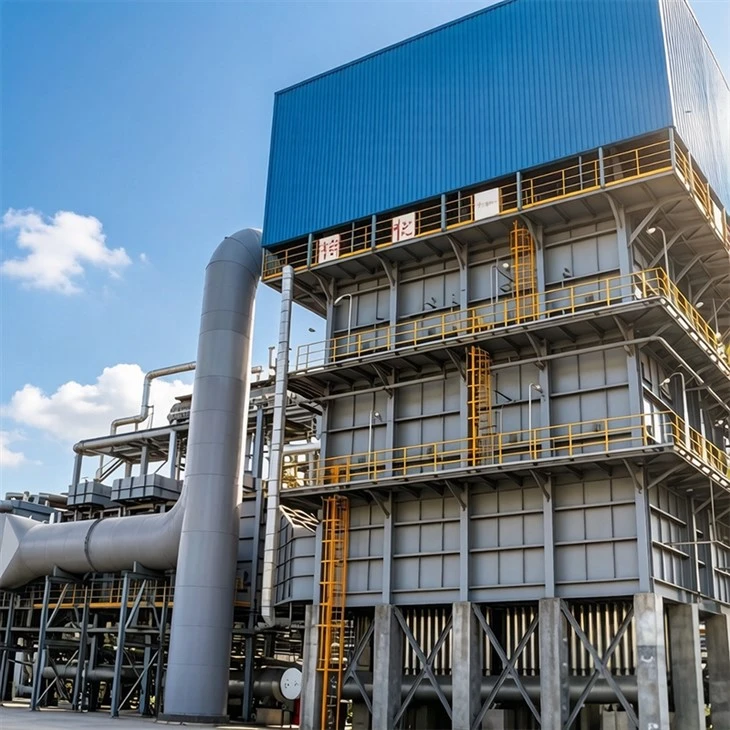

If you are interested in our high - quality heating furnaces and need professional guidance on ventilation systems, we invite you to contact us for procurement and further discussions. Our team of experts is ready to assist you in finding the best solutions for your specific needs.
References
- ASHRAE Handbook of Heating, Ventilating, and Air - Conditioning Systems and Equipment.
- NFPA (National Fire Protection Association) standards related to heating furnaces and ventilation.