

Tube coking is a prevalent and challenging issue in the operation of an Ethylene Cracking Furnace, a crucial piece of equipment in the petrochemical industry. As a leading supplier of Ethylene Cracking Furnace, we have witnessed firsthand the far - reaching impacts of tube coking on the performance and longevity of these furnaces.
1. Understanding Tube Coking in Ethylene Cracking Furnaces
Ethylene cracking furnaces are designed to break down hydrocarbon feedstocks into smaller molecules, primarily ethylene, through high - temperature pyrolysis. During this process, the hydrocarbon feed is heated to extremely high temperatures (typically around 800 - 900°C) inside the furnace tubes. Under such harsh conditions, a complex series of chemical reactions occur. Some of these reactions lead to the formation of coke, a carbonaceous deposit, on the inner walls of the furnace tubes.
The formation of coke is an inevitable by - product of the cracking process. It mainly results from the dehydrogenation and polymerization reactions of hydrocarbons. As the reaction progresses, the high - molecular - weight hydrocarbons are first decomposed into smaller molecules, and some of the intermediate products can further react to form coke. The rate of coking is influenced by several factors, including the type of feedstock, the operating temperature, the residence time of the feed in the tubes, and the tube material.
2. Impact on Heat Transfer Efficiency
One of the most significant impacts of tube coking is on the heat transfer efficiency of the ethylene cracking furnace. The furnace tubes act as the interface between the combustion gases (which provide heat) and the hydrocarbon feed. A clean tube has a high thermal conductivity, allowing for efficient heat transfer from the hot combustion gases to the feed.
However, as coke builds up on the inner walls of the tubes, it acts as an insulating layer. Coke has a much lower thermal conductivity compared to the tube material. This means that more and more heat is wasted as it has a harder time passing through the coke layer to reach the feed. As a result, the furnace needs to consume more fuel to maintain the required temperature for cracking. For example, studies have shown that a relatively thin layer of coke (a few millimeters thick) can cause a significant increase in fuel consumption, sometimes up to 10 - 20% depending on the severity of coking.
In addition, the reduced heat transfer efficiency can also lead to uneven heating of the feed. Some parts of the feed may not reach the optimal cracking temperature, while other areas may experience over - heating. This uneven heating can result in a lower yield of ethylene and an increase in the production of unwanted by - products, such as heavy hydrocarbons and tar.
3. Pressure Drop and Flow Distribution
Tube coking also has a significant impact on the pressure drop across the furnace tubes. As the coke accumulates on the inner walls, it reduces the cross - sectional area available for the flow of the hydrocarbon feed. According to the principles of fluid mechanics, a reduction in the flow area leads to an increase in the flow velocity and a corresponding increase in the pressure drop.
An increased pressure drop can cause several problems. Firstly, it requires more energy to pump the feed through the tubes. This not only increases the operating cost but also places additional stress on the pumping equipment, potentially leading to premature equipment failure. Secondly, the uneven coking along the length of the tubes can cause an imbalance in the pressure distribution, resulting in uneven flow of the feed. Some tubes may experience a higher flow rate while others may have a lower flow rate. This uneven flow can further exacerbate the problem of uneven heating and product yield.
4. Tube Lifetime and Maintenance Requirements
The presence of coke on the inner walls of the tubes can significantly reduce the lifespan of the furnace tubes. Coke formation can cause thermal stress on the tubes. As the coke layer expands and contracts during the heating and cooling cycles of the furnace operation, it exerts mechanical forces on the tube walls. Over time, these forces can lead to cracking and deformation of the tubes.
Moreover, the high - temperature environment inside the furnace, combined with the presence of coke, can accelerate the corrosion of the tube material. Coke can trap corrosive substances, such as sulfur compounds present in the feedstock, and promote the formation of corrosion products. This corrosion can weaken the tube walls, making them more prone to failure.
As a result of these issues, tube coking increases the maintenance requirements of the ethylene cracking furnace. Regular decoking operations are necessary to remove the coke layer and restore the normal operation of the furnace. Decoking is a time - consuming and costly process that often requires the shutdown of the furnace. During decoking, various methods such as steam - air decoking or mechanical decoking are used to remove the coke. These operations not only disrupt the production schedule but also incur significant costs for labor, materials, and energy.
5. Product Quality and Yield
The impact of tube coking on product quality and yield is closely related to the issues of heat transfer and flow distribution. As mentioned earlier, uneven heating due to coking can lead to a lower yield of ethylene. The optimal cracking temperature for ethylene production is very specific, and any deviation from this temperature can result in a decrease in the yield.
In addition, the formation of unwanted by - products can also affect the quality of the ethylene product. Heavy hydrocarbons and tar produced due to uneven cracking can contaminate the ethylene stream, making it more difficult to purify and meet the required product specifications. This can lead to additional costs for product purification and may even result in the rejection of the product if the quality standards cannot be met.
6. Mitigation Strategies and Our Offerings
To address the issue of tube coking, several mitigation strategies can be employed. These include using feedstock with lower coking tendencies, optimizing the operating conditions of the furnace (such as reducing the residence time and operating temperature), and using additives to inhibit coking.
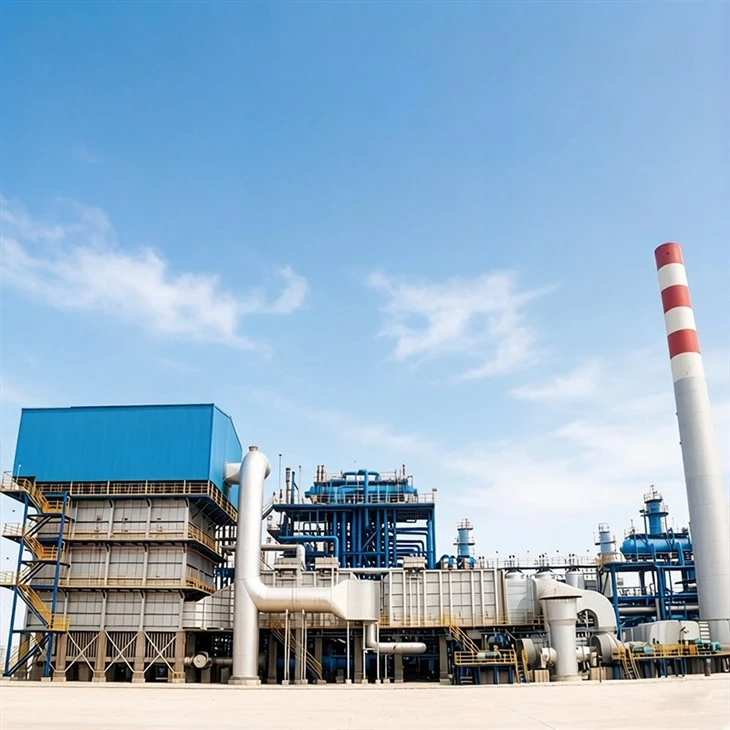

As a supplier of Ethylene Cracking Furnace, we offer a range of solutions to help our customers minimize the impact of tube coking. Our furnaces are designed with advanced tube materials and geometries that can resist coking to a certain extent. We also provide technical support to help our customers optimize their operating conditions and select the most suitable feedstock.
In addition, we offer a portfolio of other heating furnaces, such as VGO Hydrotreating Furnace, Residuum Hydroheating Furnace, Diesel Hydrotreater Heater, and Hydrogen Production Converter, which are also designed to operate efficiently and with minimal coking issues.
If you are interested in learning more about our products and how we can help you address the challenges of tube coking in your ethylene cracking operations, please feel free to reach out to us for a detailed discussion and procurement negotiation. We are committed to providing you with the best - in - class solutions for your petrochemical equipment needs.
References
- Smith, J. "Advanced Coking Mechanisms in Hydrocarbon Cracking Processes." Journal of Petrochemical Science, 2018, Vol. 45, pp. 123 - 135.
- Johnson, A. and Brown, B. "Impact of Tube Coking on Furnace Performance and Maintenance." Petrochemical Engineering Review, 2020, Vol. 60, pp. 45 - 58.
- Williams, C. "Optimizing Ethylene Cracking Furnace Operation to Minimize Coking." Proceedings of the International Petrochemical Conference, 2019.