

As a supplier of Crude Oil Heater Treaters, I'm often asked about the pressure ratings of these crucial pieces of equipment. In this blog post, I'll delve into the concept of pressure rating for Crude Oil Heater Treaters, discussing what it means, why it's important, and how it impacts the operation and selection of these units.
Understanding Pressure Rating
The pressure rating of a Crude Oil Heater Treater refers to the maximum pressure that the vessel can safely withstand during normal operation. This rating is determined by a combination of factors, including the design of the equipment, the materials used in its construction, and the applicable industry standards and codes.
Pressure ratings are typically expressed in pounds per square inch (psi) or megapascals (MPa). For example, a Crude Oil Heater Treater might have a pressure rating of 250 psi or 1.72 MPa. This indicates that the vessel is designed to operate safely at pressures up to this specified limit.
Importance of Pressure Rating
The pressure rating of a Crude Oil Heater Treater is of utmost importance for several reasons. Firstly, it ensures the safety of the equipment and the personnel operating it. Operating a heater treater at pressures above its rated capacity can lead to catastrophic failures, such as explosions or leaks, which can cause serious injury or even loss of life.
Secondly, the pressure rating affects the performance and efficiency of the heater treater. If the pressure is too low, the separation of oil, water, and gas may not occur effectively, leading to poor quality crude oil and increased operating costs. On the other hand, if the pressure is too high, it can cause excessive wear and tear on the equipment, reducing its lifespan and increasing the likelihood of breakdowns.
Factors Affecting Pressure Rating
Several factors influence the pressure rating of a Crude Oil Heater Treater. One of the most significant factors is the design of the vessel. The shape, size, and thickness of the walls all play a role in determining the maximum pressure that the vessel can withstand. For example, a thicker-walled vessel will generally have a higher pressure rating than a thinner-walled one.
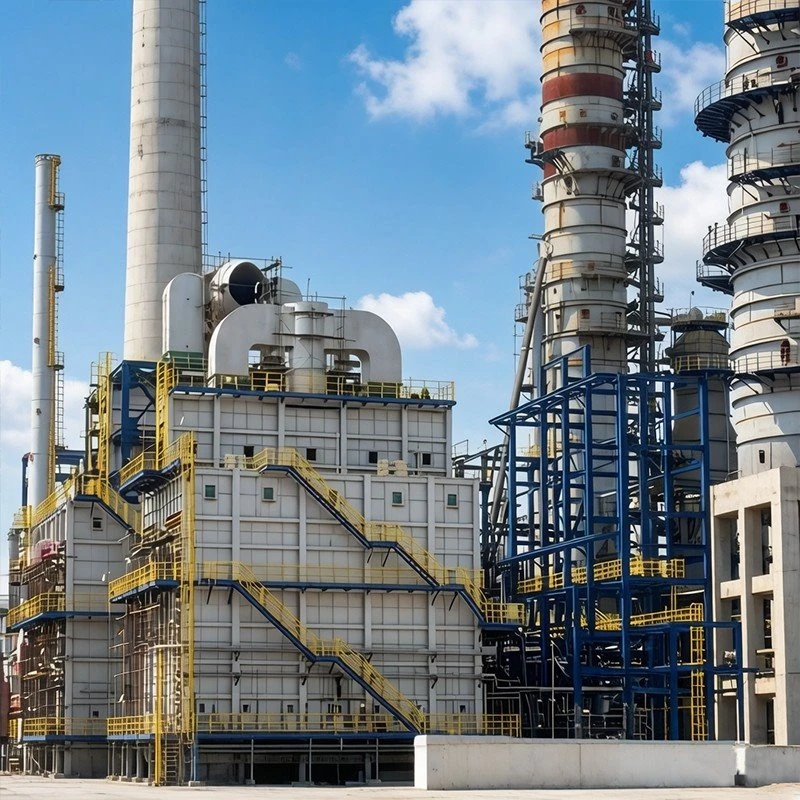
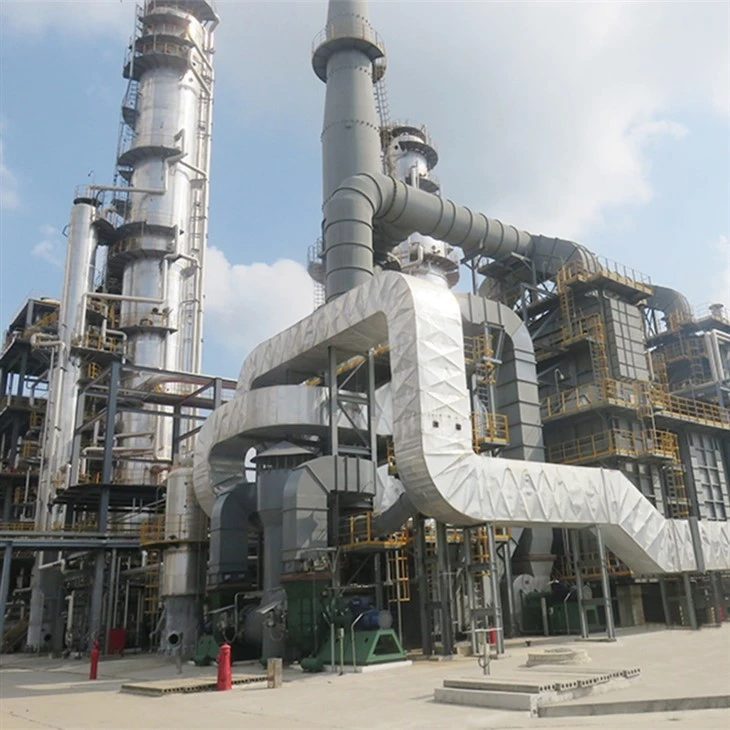
The materials used in the construction of the heater treater also have a major impact on its pressure rating. High-strength materials, such as steel alloys, are commonly used in the construction of heater treaters because they can withstand high pressures and temperatures. The quality and integrity of the materials are crucial, as any defects or weaknesses can compromise the pressure rating of the vessel.
In addition to design and materials, the operating conditions of the heater treater also affect its pressure rating. Factors such as temperature, flow rate, and the composition of the crude oil can all influence the pressure within the vessel. For example, higher temperatures can cause the pressure to increase, so the pressure rating must be adjusted accordingly to account for these conditions.
Determining the Appropriate Pressure Rating
When selecting a Crude Oil Heater Treater, it's essential to determine the appropriate pressure rating for your specific application. This involves considering several factors, including the characteristics of the crude oil, the operating conditions, and the desired performance of the equipment.
The first step is to analyze the properties of the crude oil, such as its density, viscosity, and sulfur content. These properties can affect the pressure within the heater treater and will help determine the required pressure rating. For example, heavy crude oils with high viscosities may require higher pressures to achieve efficient separation.
Next, consider the operating conditions of the heater treater, including the temperature, flow rate, and pressure fluctuations. These factors can vary depending on the location and type of operation, so it's important to have a clear understanding of them to select the appropriate pressure rating. For example, if the heater treater will be operating in a high-temperature environment, a higher pressure rating may be required to ensure safe and efficient operation.
Finally, consult with a qualified engineer or equipment supplier to determine the optimal pressure rating for your Crude Oil Heater Treater. They can provide valuable insights and guidance based on their expertise and experience in the industry.
Other Related Equipment and Their Pressure Ratings
In addition to Crude Oil Heater Treaters, our company also offers a range of other petrochemical equipment, each with its own specific pressure rating. For example, our Diesel Hydrotreater Heater is designed to operate at high pressures and temperatures to remove sulfur and other impurities from diesel fuel. Similarly, our VGO Hydrotreating Furnace is used in the hydrotreating process for vacuum gas oil and has its own unique pressure requirements.
We also supply PX Heating Furnace for the production of purified terephthalic acid and Residuum Hydroheating Furnace for the treatment of heavy oil residues. Each of these furnaces is engineered to meet the specific pressure and temperature requirements of its application.
Conclusion
In conclusion, the pressure rating of a Crude Oil Heater Treater is a critical factor that must be carefully considered when selecting and operating this equipment. It ensures the safety, performance, and efficiency of the heater treater and is influenced by a variety of factors, including design, materials, and operating conditions.
As a leading supplier of Crude Oil Heater Treaters, we have the expertise and experience to help you select the right equipment with the appropriate pressure rating for your specific needs. If you're interested in learning more about our products or would like to discuss a potential purchase, please don't hesitate to reach out to us. We look forward to the opportunity to work with you and provide you with the high-quality equipment and service that you deserve.
References
- API Standards for Pressure Vessels and Petrochemical Equipment.
- ASME Boiler and Pressure Vessel Code.
- Industry best practices and guidelines for the operation of Crude Oil Heater Treaters.