
In the petrochemical industry, heating furnaces are crucial equipment, playing a vital role in various processes. Among them, the PX Heating Furnace is widely used due to its high - performance and reliability. However, overheating situations can occur during its operation, which may pose risks to the equipment and the entire production process. As a professional PX Heating Furnace supplier, we have in - depth knowledge and effective solutions for handling overheating situations.
Understanding the Causes of Overheating
Before delving into how to handle overheating, it is essential to understand the possible causes. One common cause is an imbalance in the fuel - air ratio. If there is too much fuel relative to the amount of air, the combustion process will be incomplete, leading to excessive heat generation. This can be due to a malfunction in the fuel supply system or the air intake control mechanism.
Another cause could be a blockage in the heat transfer surfaces. Over time, deposits such as coke, scale, or other contaminants can accumulate on the tubes or other heat - exchanging components of the furnace. These deposits act as insulators, reducing the efficiency of heat transfer. As a result, the heat cannot be effectively transferred to the process fluid, causing the temperature inside the furnace to rise.
A malfunctioning temperature control system is also a significant factor. The temperature sensors may give inaccurate readings, or the control valves may not respond properly to the temperature signals. This can lead to the furnace continuing to heat up even when the desired temperature has been reached.
Detection of Overheating
Early detection of overheating is crucial to prevent serious damage to the PX Heating Furnace. Our PX Heating Furnaces are equipped with a comprehensive monitoring system. Multiple temperature sensors are installed at key locations inside the furnace, such as near the burners, on the heat - transfer tubes, and at the outlet of the process fluid. These sensors continuously measure the temperature and transmit the data to a central control unit.
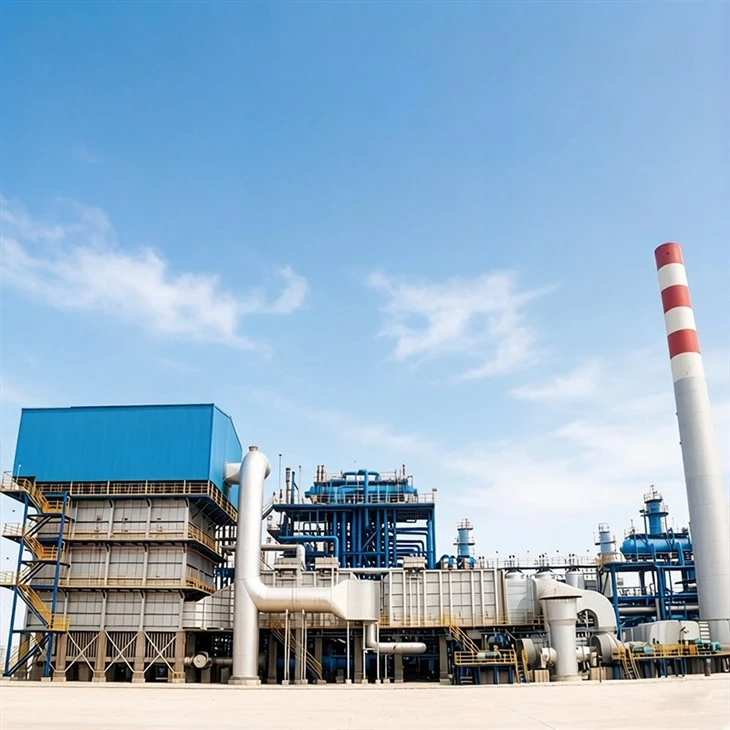
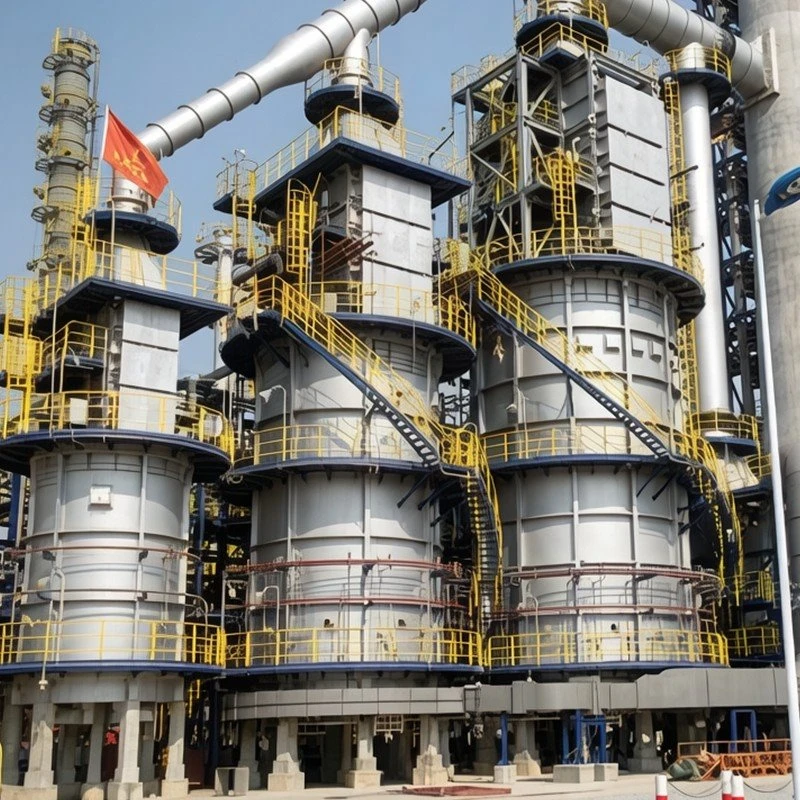
In addition to temperature sensors, we also use pressure sensors to detect abnormal pressure changes inside the furnace. Since overheating can cause thermal expansion, leading to an increase in pressure, sudden pressure fluctuations can be an early sign of overheating.
The control unit analyzes the data received from the sensors in real - time. If the temperature or pressure exceeds the pre - set limits, an alarm is triggered immediately. This allows the operators to take prompt action before the situation escalates.
Handling Overheating Situations
Adjusting the Fuel - Air Ratio
When overheating is detected, the first step is often to check and adjust the fuel - air ratio. Our PX Heating Furnaces are designed with an advanced combustion control system. The operators can use the control panel to adjust the flow rate of fuel and air. By reducing the fuel supply or increasing the air intake, the combustion process can be optimized, and the heat generation can be controlled.
In some cases, the control system can automatically adjust the fuel - air ratio based on the temperature and pressure data. This ensures a quick and accurate response to overheating situations.
Cleaning the Heat - Transfer Surfaces
If the overheating is caused by a blockage in the heat - transfer surfaces, immediate cleaning is necessary. We recommend using a chemical cleaning method for light deposits. Specialized cleaning agents are injected into the furnace, which can dissolve the coke, scale, or other contaminants without causing damage to the equipment.
For more severe blockages, mechanical cleaning may be required. This involves using tools such as brushes, scrapers, or high - pressure water jets to remove the deposits. However, mechanical cleaning should be carried out carefully to avoid damaging the heat - transfer tubes.
Repairing the Temperature Control System
If the overheating is due to a malfunctioning temperature control system, the faulty components need to be identified and repaired or replaced. Our after - sales service team has rich experience in troubleshooting temperature control systems. They can quickly diagnose the problem, whether it is a faulty sensor, a damaged control valve, or a software glitch in the control unit.
Once the problem is identified, they can either repair the existing components or install new ones to restore the normal operation of the temperature control system.
Comparison with Other Heating Furnaces
In the petrochemical industry, there are various types of heating furnaces, such as the Hydrogen Production Converter, Steam Reformer Furnace, Diesel Hydrotreater Heater, and Ethylene Cracking Furnace. While the general principles of handling overheating situations are similar, each type of furnace has its own characteristics.
The Hydrogen Production Converter, for example, is mainly used in the production of hydrogen, and its operation conditions are different from those of the PX Heating Furnace. The overheating causes may be related to the chemical reaction processes involved in hydrogen production. The Steam Reformer Furnace is used for steam reforming reactions, and its heat - transfer requirements and combustion characteristics are also unique.
However, our expertise in handling overheating situations spans across different types of heating furnaces. We have developed tailored solutions for each type of furnace based on their specific design and operation requirements.
Preventive Measures
Preventing overheating is always better than dealing with it after it occurs. We recommend regular maintenance of the PX Heating Furnace. This includes routine inspections of the fuel supply system, air intake system, temperature control system, and heat - transfer surfaces.
Operators should also receive regular training to ensure they can operate the furnace correctly. They should be familiar with the normal operating parameters, such as the optimal fuel - air ratio, temperature limits, and pressure ranges. By following the proper operating procedures, the risk of overheating can be significantly reduced.
Conclusion
As a reliable PX Heating Furnace supplier, we have a comprehensive understanding of how to handle overheating situations. Our advanced monitoring systems, effective handling methods, and preventive measures ensure the safe and efficient operation of our PX Heating Furnaces.
If you are in the petrochemical industry and are looking for a high - quality heating furnace or need professional advice on furnace operation and maintenance, we are here to help. For more information about our products and services, please feel free to contact us for procurement and detailed discussions.
References
- Petrochemical Equipment Handbook.
- Technical Documents on Heating Furnace Operation and Maintenance.