

Emulsion stability plays a crucial role in the operation of a Crude Oil Heater Treater. As a supplier of Crude Oil Heater Treaters, I have witnessed firsthand the impact that emulsion stability can have on the efficiency and performance of these vital pieces of equipment. In this blog post, I will explore the effects of emulsion stability on a Crude Oil Heater Treater and discuss how it can influence the overall quality of the treated crude oil.
Understanding Emulsions in Crude Oil
Before delving into the effects of emulsion stability, it is important to understand what emulsions are and how they form in crude oil. An emulsion is a mixture of two immiscible liquids, typically oil and water, where one liquid is dispersed in the other in the form of small droplets. In the case of crude oil, emulsions can form due to various factors, including the presence of natural surfactants, mixing during production and transportation, and the characteristics of the crude oil itself.
There are two main types of emulsions commonly found in crude oil: oil - in - water (O/W) emulsions, where oil droplets are dispersed in water, and water - in - oil (W/O) emulsions, where water droplets are dispersed in oil. Water - in - oil emulsions are more prevalent in the context of crude oil processing and are of particular concern in Crude Oil Heater Treaters.
The Role of a Crude Oil Heater Treater
A Crude Oil Heater Treater is designed to separate water and other impurities from crude oil. It operates on the principle of heating the crude oil emulsion to reduce its viscosity and enhance the separation of water droplets from the oil phase. The heated emulsion then flows through a settling section where gravity causes the water droplets to coalesce and settle to the bottom, allowing the clean oil to be collected from the top.
The efficiency of a Crude Oil Heater Treater depends on several factors, including the temperature, residence time, and the stability of the emulsion. A stable emulsion can pose significant challenges to the separation process, while an unstable emulsion can be more easily separated.
Effects of Emulsion Stability on a Crude Oil Heater Treater
1. Separation Efficiency
One of the most significant effects of emulsion stability on a Crude Oil Heater Treater is its impact on separation efficiency. A highly stable emulsion contains water droplets that are resistant to coalescence, making it difficult for the water to separate from the oil phase. This can lead to incomplete separation, resulting in higher water content in the treated oil and lower quality of the final product.
In a Crude Oil Heater Treater, the heating process is intended to reduce the surface tension between the water droplets and the oil, promoting coalescence. However, if the emulsion is too stable, the heat may not be sufficient to break the interfacial film surrounding the water droplets, and they will remain dispersed in the oil. As a result, the treated oil may not meet the required water content specifications, which can have implications for downstream processing and transportation.
2. Energy Consumption
Emulsion stability also affects the energy consumption of a Crude Oil Heater Treater. To achieve effective separation, the heater treater needs to heat the emulsion to a certain temperature. If the emulsion is stable, a higher temperature may be required to break the interfacial film and promote coalescence of the water droplets. This means that more energy is needed to heat the emulsion, leading to increased operating costs.
In addition, a stable emulsion may require a longer residence time in the heater treater to allow for sufficient separation. This can further increase the energy consumption as the heater needs to maintain the elevated temperature for a longer period.
3. Capacity and Throughput
The stability of the emulsion can also impact the capacity and throughput of a Crude Oil Heater Treater. A stable emulsion requires more time and energy to separate, which can limit the treater's ability to process large volumes of crude oil. As a result, the throughput of the heater treater may be reduced, affecting the overall production capacity of the oilfield.
To increase the throughput, operators may need to install larger or additional heater treaters, which can be costly in terms of capital investment and maintenance. Therefore, understanding and managing emulsion stability is essential for optimizing the capacity and throughput of a Crude Oil Heater Treater.
4. Equipment Wear and Tear
Stable emulsions can also cause increased wear and tear on the equipment in a Crude Oil Heater Treater. The presence of water droplets in the oil can lead to corrosion and erosion of the internal components of the heater treater, such as the heating coils, pipes, and valves. This can reduce the lifespan of the equipment and increase the frequency of maintenance and replacement.
In addition, the high viscosity of a stable emulsion can cause increased friction in the pipes and pumps, leading to higher energy consumption and potential mechanical failures. Therefore, maintaining emulsion stability is crucial for ensuring the long - term reliability and performance of the Crude Oil Heater Treater.
Managing Emulsion Stability in a Crude Oil Heater Treater
To mitigate the negative effects of emulsion stability on a Crude Oil Heater Treater, several strategies can be employed.
1. Chemical Demulsifiers
Chemical demulsifiers are commonly used to break down stable emulsions in crude oil. These chemicals work by reducing the interfacial tension between the water and oil phases, promoting the coalescence of water droplets. By adding the appropriate demulsifier to the crude oil emulsion before it enters the heater treater, the separation efficiency can be significantly improved.
2. Temperature Control
As mentioned earlier, heating the emulsion can help break the interfacial film and promote coalescence. However, it is important to control the temperature carefully to avoid over - heating, which can cause thermal cracking of the crude oil and other undesirable effects. By optimizing the temperature settings in the heater treater, the separation process can be enhanced while minimizing energy consumption.
3. Residence Time Management
Proper management of the residence time in the heater treater is also crucial for effective separation. Allowing the emulsion sufficient time to settle and separate can improve the quality of the treated oil. Operators can adjust the flow rate of the crude oil through the heater treater to ensure that the residence time is appropriate for the stability of the emulsion.
Our Crude Oil Heater Treaters and Related Equipment
At our company, we are dedicated to providing high - quality Crude Oil Heater Treaters that are designed to handle a wide range of emulsion stabilities. Our heater treaters are equipped with advanced heating systems and separation technologies to ensure efficient and reliable operation.
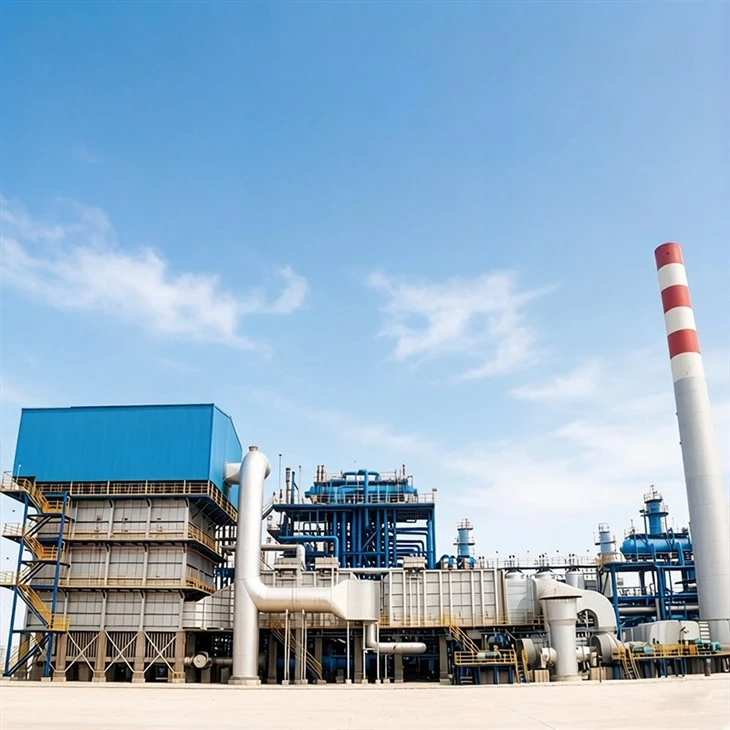

In addition to Crude Oil Heater Treaters, we also offer a variety of other petrochemical equipment, including the PX Heating Furnace, Steam Reformer Furnace, Hydrogen Production Converter, and Diesel Hydrotreater Heater. These products are designed to meet the diverse needs of the petrochemical industry and are built to the highest standards of quality and performance.
Conclusion
Emulsion stability has a profound effect on the operation of a Crude Oil Heater Treater. It can impact separation efficiency, energy consumption, capacity and throughput, and equipment wear and tear. By understanding the factors that contribute to emulsion stability and implementing appropriate management strategies, operators can optimize the performance of their heater treaters and improve the quality of the treated crude oil.
If you are in the market for a high - quality Crude Oil Heater Treater or other petrochemical equipment, we invite you to explore our products and contact us for a detailed discussion about your specific requirements. Our team of experts is ready to assist you in finding the best solutions for your petrochemical processing needs.
References
- Smith, J. (2018). "Emulsion Stability and Separation in Crude Oil Processing." Journal of Petroleum Science and Engineering, 165, 234 - 242.
- Johnson, A. (2019). "The Impact of Emulsion Characteristics on Crude Oil Heater Treater Performance." International Journal of Chemical Engineering, 2019, 1 - 10.
- Brown, R. (2020). "Optimizing Crude Oil Emulsion Separation Using Chemical Demulsifiers." Chemical Engineering Research and Design, 157, 456 - 464.