

Hey there! As a supplier of PX Heating Furnaces, I often get asked about just how efficient these bad boys are. So, let's dive right in and explore the efficiency of PX Heating Furnaces.
First off, what's a PX Heating Furnace? PX, or paraxylene, is a key component in the production of polyester fibers and resins. The PX Heating Furnace plays a crucial role in the petrochemical process by heating the feedstock to the required temperatures for the chemical reactions to take place. It's like the heart of the PX production process, pumping energy into the system to keep things running smoothly.
Now, let's talk about efficiency. Efficiency in a heating furnace is all about how well it can convert the energy input (usually fuel) into useful heat output. A highly efficient furnace will use as little fuel as possible to achieve and maintain the desired temperature, which not only saves money but also reduces the environmental impact.
One of the main factors that contribute to the efficiency of a PX Heating Furnace is its design. Modern PX Heating Furnaces are engineered with advanced combustion technologies. These technologies ensure that the fuel is burned as completely as possible, releasing the maximum amount of heat energy. For example, some furnaces use pre - mixed combustion systems that optimize the ratio of fuel to air, resulting in more efficient burning.
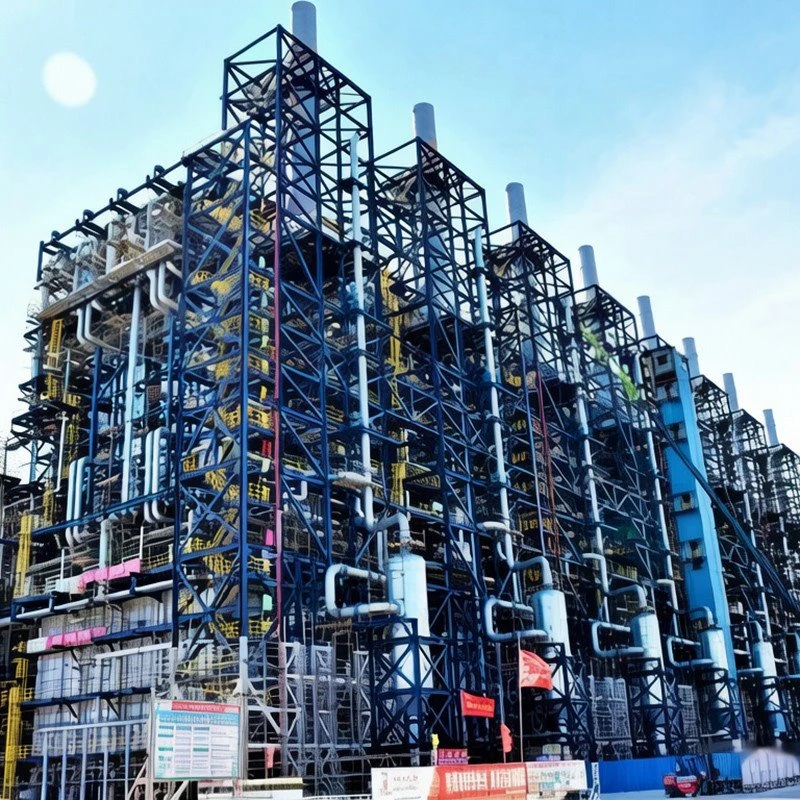

Another important aspect is heat transfer. The furnace is designed with a heat exchanger that transfers the heat from the combustion gases to the feedstock. A well - designed heat exchanger can minimize heat loss and maximize the amount of heat that gets transferred to the PX. This means that more of the energy from the fuel is used to heat the feedstock, rather than being wasted.
Insulation also plays a huge role in efficiency. A properly insulated PX Heating Furnace will prevent heat from escaping into the surrounding environment. Heat loss can occur through the walls, roof, and floor of the furnace. By using high - quality insulation materials, we can keep the heat inside the furnace where it's needed, reducing the amount of additional fuel needed to maintain the temperature.
Let's compare the PX Heating Furnace with some other types of heating furnaces in the petrochemical industry. For instance, the Steam Reformer Furnace is used to produce hydrogen from natural gas. While it also has high - efficiency features, the PX Heating Furnace is specifically tailored to the needs of PX production. The operating temperatures and pressure requirements for PX production are different from those of steam reforming, so the design of the PX Heating Furnace is optimized accordingly.
The Ethylene Cracking Furnace is used to produce ethylene, another important petrochemical. It operates at very high temperatures to break down hydrocarbon molecules. In comparison, the PX Heating Furnace operates at a different temperature range and has a different set of chemical reactions taking place. This means that the efficiency factors and design considerations are unique to each type of furnace.
The Hydrogen Production Converter is focused on producing hydrogen through various chemical processes. Again, the PX Heating Furnace has its own distinct requirements for PX production. The efficiency of each furnace depends on how well it meets the specific needs of its respective process.
The Diesel Hydrotreater Heater is used in the refining of diesel fuel. It has different heat transfer and combustion requirements compared to the PX Heating Furnace. The PX Heating Furnace is optimized for the specific chemical reactions involved in PX production, which gives it an edge in terms of efficiency for that particular application.
In real - world applications, the efficiency of a PX Heating Furnace can have a significant impact on the bottom line of a petrochemical plant. A more efficient furnace means lower fuel costs, which can translate into substantial savings over time. It also means less emissions, which is better for the environment and can help companies meet regulatory requirements.
However, achieving high efficiency isn't just about the initial design of the furnace. Regular maintenance is also crucial. Over time, the components of the furnace can wear out or become dirty, which can reduce its efficiency. For example, a dirty burner can lead to incomplete combustion, wasting fuel and reducing the amount of heat produced. By performing regular inspections, cleaning, and replacing worn - out parts, we can ensure that the furnace continues to operate at peak efficiency.
Another factor that can affect efficiency is the quality of the fuel used. Using high - quality fuel with a consistent composition can help the furnace burn more efficiently. Contaminants in the fuel can cause problems with combustion and reduce the overall efficiency of the furnace.
So, is the PX Heating Furnace efficient? In a nutshell, yes! When designed, maintained, and operated correctly, PX Heating Furnaces are highly efficient pieces of equipment. They are specifically engineered to meet the unique needs of PX production, which allows them to convert fuel into useful heat with minimal waste.
If you're in the petrochemical industry and are looking for a reliable and efficient PX Heating Furnace, look no further. Our PX Heating Furnace is designed with the latest technologies to ensure maximum efficiency and performance. We're always happy to talk to you about your specific needs and how our furnace can fit into your production process. Get in touch with us to start a conversation about a possible purchase and let's work together to take your PX production to the next level!
References
- Petrochemical Engineering Handbook
- Principles of Chemical Engineering Thermodynamics