

When it comes to the world of petrochemical equipment, one component that plays a crucial role in many processes is the pyrolysis tube. As a leading supplier of Pyrolysis Tube, I have encountered numerous inquiries regarding the differences between horizontal and vertical pyrolysis tubes. In this blog post, I will delve into the intricacies of both types, highlighting their unique features, advantages, and applications.
Structural Design
The most obvious difference between horizontal and vertical pyrolysis tubes lies in their orientation. Horizontal pyrolysis tubes are installed parallel to the ground, while vertical pyrolysis tubes are positioned perpendicular to it. This fundamental difference in design has a significant impact on the overall operation and performance of the tubes.
Horizontal pyrolysis tubes are typically longer and have a larger surface area compared to their vertical counterparts. This allows for a more extended residence time of the feedstock within the tube, which can be beneficial for certain pyrolysis reactions that require a slower heating rate. The horizontal orientation also facilitates the loading and unloading of the feedstock, as it can be easily fed into the tube from one end and discharged from the other.
On the other hand, vertical pyrolysis tubes are more compact and have a smaller footprint. They are often used in applications where space is limited or where a more efficient use of floor space is required. The vertical design also allows for a more uniform distribution of heat throughout the tube, as gravity helps to ensure that the feedstock moves smoothly through the tube without settling at the bottom.
Heat Transfer
Heat transfer is a critical factor in the pyrolysis process, as it directly affects the efficiency and quality of the products obtained. The orientation of the pyrolysis tube can have a significant impact on the heat transfer mechanism.
In horizontal pyrolysis tubes, heat is transferred primarily through conduction and convection. The heat source is usually located beneath the tube, and the heat is transferred from the bottom of the tube to the top through conduction. Convection currents are also generated within the tube, which help to distribute the heat more evenly throughout the feedstock. However, the horizontal orientation can result in some heat loss due to the larger surface area exposed to the surrounding environment.
In vertical pyrolysis tubes, heat transfer occurs mainly through radiation and conduction. The heat source is typically placed around the tube, and the heat is radiated directly onto the surface of the tube. Conduction then transfers the heat from the tube wall to the feedstock. The vertical design allows for a more efficient use of radiation heat transfer, as the heat can be directed more precisely onto the feedstock. Additionally, the vertical orientation reduces the heat loss to the surrounding environment, resulting in a higher thermal efficiency.
Product Distribution
The orientation of the pyrolysis tube can also affect the distribution of the pyrolysis products. In horizontal pyrolysis tubes, the products are prone to stratification due to the influence of gravity. The heavier products tend to settle at the bottom of the tube, while the lighter products rise to the top. This can lead to a non-uniform distribution of the products, which may require additional separation and purification steps.
In vertical pyrolysis tubes, the products are more evenly distributed due to the vertical flow of the feedstock. Gravity helps to prevent the settling of the heavier products, and the products are more likely to be discharged from the tube in a more uniform manner. This can simplify the downstream processing of the products and improve the overall efficiency of the pyrolysis process.
Applications
The choice between horizontal and vertical pyrolysis tubes depends on the specific requirements of the application. Horizontal pyrolysis tubes are commonly used in applications where a large volume of feedstock needs to be processed, such as in the production of biofuels and chemicals. They are also suitable for applications where a slow heating rate is required, such as in the pyrolysis of certain polymers.
Vertical pyrolysis tubes, on the other hand, are often used in applications where space is limited or where a more efficient use of heat is required. They are commonly used in the production of high-value products, such as carbon nanotubes and graphene, where a uniform distribution of heat and products is essential.
Additional Components
In addition to the pyrolysis tube itself, there are several other components that are often used in conjunction with pyrolysis tubes to enhance their performance. These include Cold Wall Manifold, Furnace Tube Hanger, Intermediate Tube Sheet, and Helical Finned Tube.
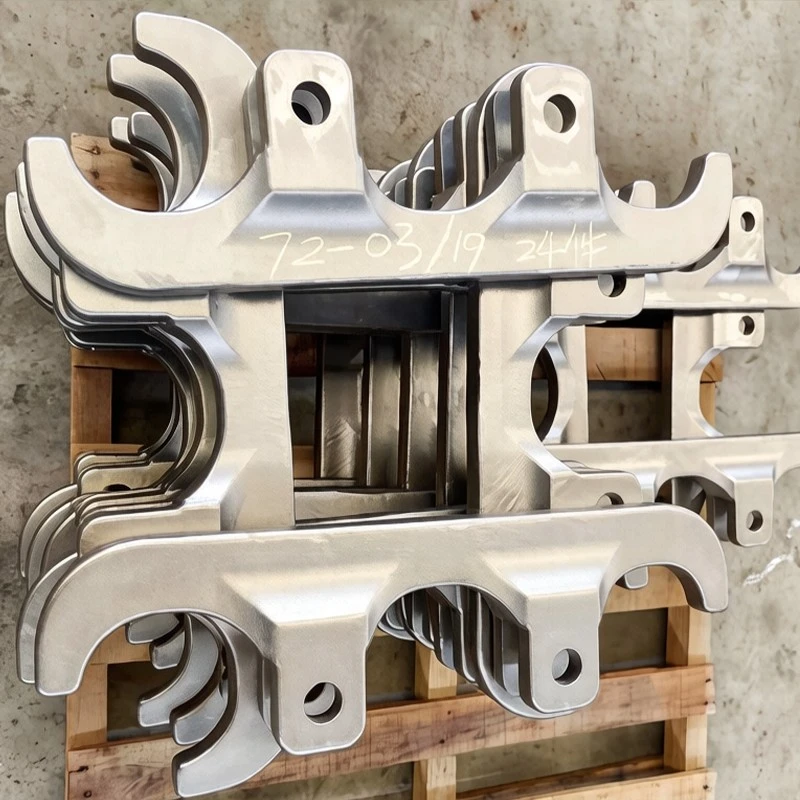
Cold Wall Manifolds are used to control the flow of the feedstock and products in and out of the pyrolysis tube. They help to prevent the formation of hot spots and ensure a uniform distribution of the feedstock within the tube. Furnace Tube Hangers are used to support the pyrolysis tube and ensure its stability during operation. They help to prevent the tube from sagging or bending under the weight of the feedstock and the heat.
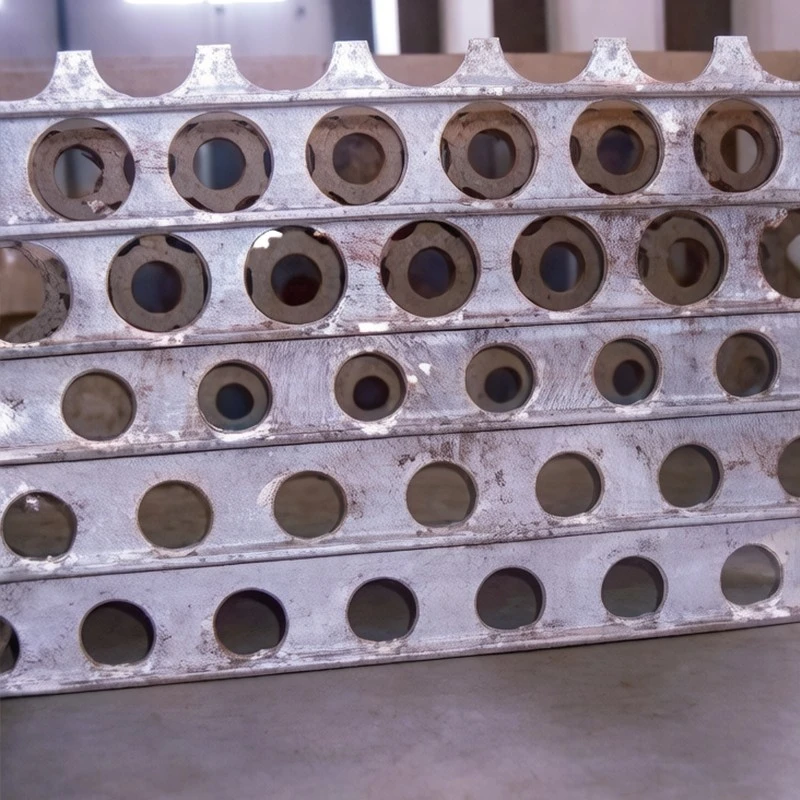
Intermediate Tube Sheets are used to divide the pyrolysis tube into multiple sections, which can improve the heat transfer efficiency and the product distribution. They help to create a more uniform flow of the feedstock through the tube and prevent the formation of dead zones. Helical Finned Tubes are used to increase the surface area of the pyrolysis tube, which can enhance the heat transfer efficiency. They help to improve the contact between the feedstock and the tube wall and increase the rate of heat transfer.
Conclusion
In conclusion, the choice between horizontal and vertical pyrolysis tubes depends on a variety of factors, including the specific requirements of the application, the available space, and the desired product quality. Horizontal pyrolysis tubes offer a larger surface area and a slower heating rate, making them suitable for applications where a large volume of feedstock needs to be processed or where a slow heating rate is required. Vertical pyrolysis tubes, on the other hand, are more compact and have a higher thermal efficiency, making them suitable for applications where space is limited or where a more efficient use of heat is required.
As a supplier of Pyrolysis Tube, I am committed to providing high-quality products and excellent customer service. If you are interested in learning more about our pyrolysis tubes or other petrochemical equipment, please do not hesitate to contact us for a detailed discussion and potential procurement opportunities.
References
- [List of relevant scientific papers or industry reports on pyrolysis tubes]