

Proper temperature adjustment of a heating furnace is crucial for its efficient and safe operation. As a heating furnace supplier, we understand the significance of accurate temperature control in various industrial applications. In this blog, we will delve into the essentials of adjusting the temperature settings of a heating furnace, providing you with in - depth knowledge and practical tips.
Understanding the Basics of a Heating Furnace
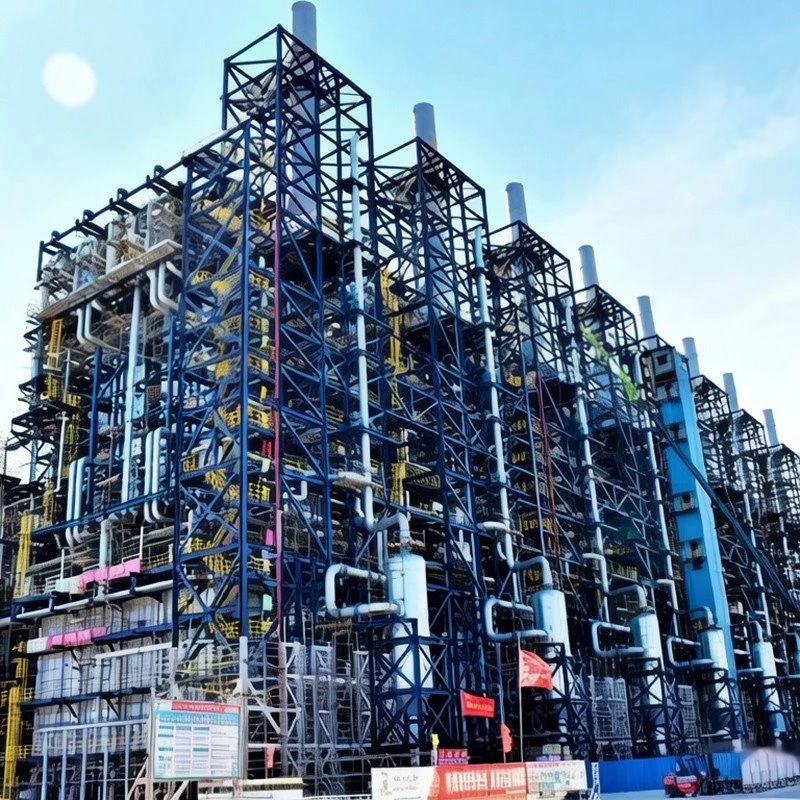
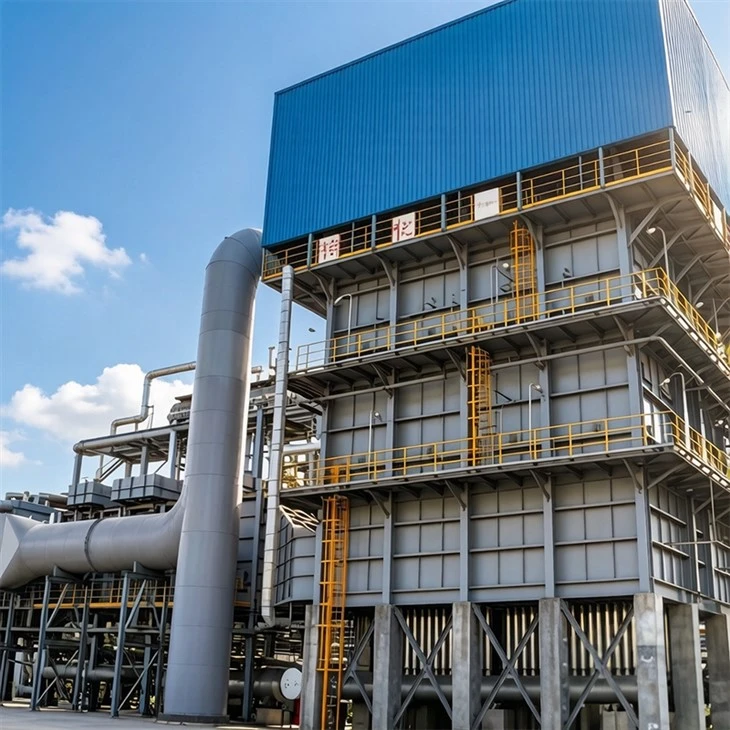
Heating furnaces are used in a wide range of industries, from petrochemicals to metal processing. Different types of heating furnaces, such as Crude Oil Heater Treater, Hydrogen Production Converter, PX Heating Furnace, VGO Hydrotreating Furnace, and Ethylene Cracking Furnace, have specific temperature requirements based on their functions.
The fundamental principle behind a heating furnace is to generate heat through combustion or electrical resistance and transfer it to the material being heated. The temperature control system of a furnace is designed to maintain a stable and accurate temperature within the furnace chamber. This system typically consists of a temperature sensor, a controller, and an actuator.
The Role of Temperature Sensors
Temperature sensors are the eyes of the temperature control system. They measure the actual temperature inside the furnace and send this information to the controller. The most common types of temperature sensors used in heating furnaces are thermocouples and resistance temperature detectors (RTDs).
Thermocouples are made of two different metals joined at one end. When there is a temperature difference between the junction and the other ends, a voltage is generated. This voltage is proportional to the temperature difference, allowing the controller to calculate the actual temperature. Thermocouples are known for their wide temperature range, fast response time, and durability.
RTDs, on the other hand, work based on the principle that the electrical resistance of a metal changes with temperature. They offer high accuracy and stability, making them suitable for applications where precise temperature measurement is required.
How the Controller Works
The controller receives the temperature data from the sensor and compares it with the setpoint, which is the desired temperature. If there is a deviation between the actual temperature and the setpoint, the controller sends a signal to the actuator to either increase or decrease the heat output.
There are different types of controllers, such as proportional - integral - derivative (PID) controllers. PID controllers are widely used in heating furnaces because they can provide precise control by continuously adjusting the output based on the proportional, integral, and derivative of the error between the setpoint and the actual temperature.
Actuators for Temperature Adjustment
Actuators are responsible for changing the heat output of the furnace according to the signal from the controller. In a gas - fired furnace, the actuator is usually a gas valve that controls the flow of gas to the burner. By adjusting the gas flow, the amount of heat generated by combustion can be increased or decreased.
In an electric furnace, the actuator is often a solid - state relay or a contactor that controls the electrical power supplied to the heating elements. By varying the power, the temperature inside the furnace can be regulated.
Steps to Adjust the Temperature Settings
1. Determine the Setpoint
Before adjusting the temperature settings, you need to determine the appropriate setpoint for your specific application. This may require referring to the process requirements, material specifications, or industry standards. For example, in a petrochemical refining process, the temperature of the Crude Oil Heater Treater needs to be precisely controlled to ensure efficient separation of oil and water.
2. Access the Controller
Locate the temperature controller of your heating furnace. It is usually installed on the control panel of the furnace. Make sure you have the necessary authorization and follow the safety procedures when accessing the controller.
3. Enter the Setpoint
Use the keypad or touchscreen on the controller to enter the desired setpoint temperature. Some controllers may require you to enter a password or select the appropriate mode before making changes to the setpoint.
4. Monitor the Temperature
After setting the new setpoint, monitor the temperature inside the furnace using the display on the controller or an external temperature monitoring device. Observe how the temperature changes over time and whether it approaches the setpoint.
5. Fine - Tuning
If the temperature does not reach the setpoint or overshoots it, you may need to fine - tune the controller settings. This may involve adjusting the PID parameters of the controller. However, this should be done with caution, as improper adjustment can lead to instability or inaccurate temperature control.
Factors Affecting Temperature Adjustment
1. Load Variation
The amount and type of material being heated in the furnace can significantly affect the temperature. A larger load or a material with a high heat capacity will require more heat to reach the desired temperature. Conversely, a smaller load or a material with a low heat capacity may heat up quickly, potentially causing overshoot of the setpoint.
2. Ambient Conditions
The temperature and humidity of the surrounding environment can also impact the temperature inside the furnace. For example, in a cold environment, the furnace may need to work harder to maintain the setpoint temperature.
3. Furnace Efficiency
The efficiency of the furnace itself plays a role in temperature adjustment. A furnace with poor insulation or a malfunctioning burner may not be able to reach or maintain the desired temperature efficiently.
Troubleshooting Temperature Issues
1. Temperature Not Reaching the Setpoint
If the temperature inside the furnace does not reach the setpoint, check the following:
- Check the power supply to the furnace. Make sure the electrical connections are secure and there is sufficient power available.
- Inspect the burner or heating elements for any signs of damage or malfunction. In a gas - fired furnace, ensure that the gas valve is open and the burner is igniting properly.
- Check the temperature sensor for accuracy. A faulty sensor may provide incorrect temperature readings, causing the controller to make improper adjustments.
2. Temperature Overshoot or Undershoot
If the temperature overshoots or undershoots the setpoint, it may be due to incorrect PID settings. You can try adjusting the PID parameters gradually to improve the control performance. Another possible cause is a sudden change in the load or ambient conditions. Make sure to monitor these factors and adjust the setpoint or controller settings accordingly.
Importance of Regular Maintenance
Regular maintenance of the heating furnace is essential for accurate temperature adjustment. Clean the furnace regularly to prevent the accumulation of dust, dirt, and debris, which can affect the performance of the burner, heating elements, and temperature sensors.
Inspect the components of the temperature control system regularly for signs of wear and tear. Replace any faulty sensors, controllers, or actuators promptly to ensure reliable operation.
Conclusion
Adjusting the temperature settings of a heating furnace is a complex but important task. By understanding the basic components of the temperature control system, following the proper adjustment steps, and considering the factors that affect temperature, you can ensure the efficient and safe operation of your heating furnace.
As a professional heating furnace supplier, we are committed to providing high - quality products and comprehensive technical support. If you have any questions about temperature adjustment or need to purchase a heating furnace for your specific application, please feel free to contact us for more information and to start a procurement negotiation.
References
- "Industrial Heating Furnaces: Principles, Design, and Operation" by John Doe.
- "Temperature Control in Heating Systems" published by the International Institute of Temperature Regulation.