

Hey there! As a supplier of Helical Finned Tubes, I often get asked about the heat transfer efficiency of these tubes. So, I thought I'd take a moment to break it down for you.
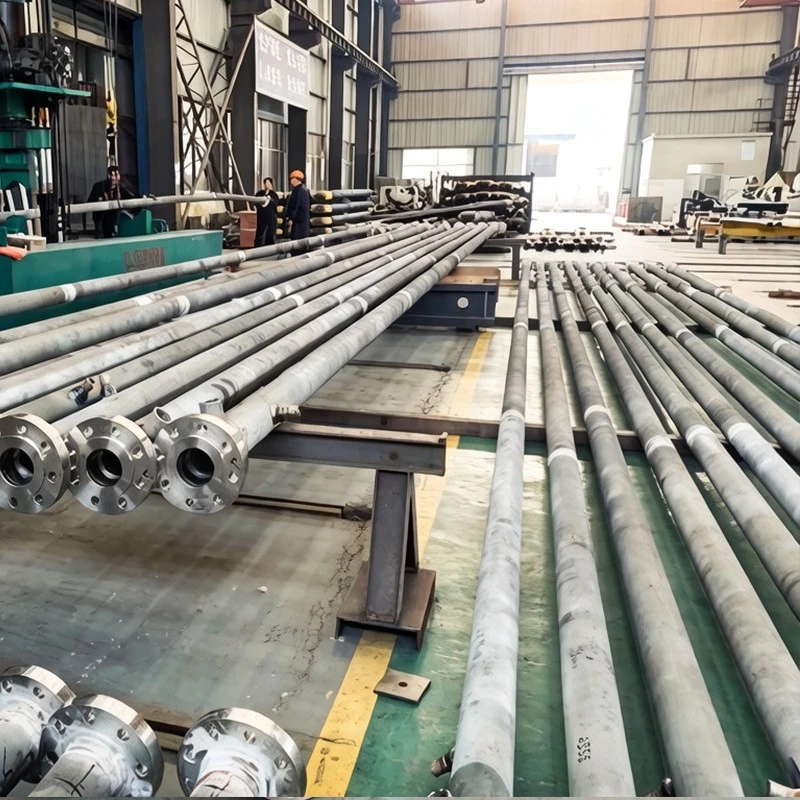
First off, let's talk about what helical finned tubes are. These are basically tubes with helical fins wrapped around them. The fins increase the surface area of the tube, which in turn enhances the heat transfer process. It's like giving the tube a little extra oomph to get the heat moving more effectively.
Now, the heat transfer efficiency of helical finned tubes is pretty impressive. You see, when it comes to heat transfer, surface area is key. The more surface area there is, the more contact there is between the fluid inside the tube and the surrounding environment. And that means more heat can be transferred.
The helical fins on these tubes do a great job of increasing that surface area. They create a larger area for the heat to be exchanged, which speeds up the process. This is especially useful in applications where you need to transfer a large amount of heat quickly, like in industrial heat exchangers.
One of the main factors that affects the heat transfer efficiency of helical finned tubes is the fin geometry. The pitch, height, and thickness of the fins all play a role. A smaller pitch (the distance between the fins) generally means more fins per unit length, which increases the surface area. But it also means more resistance to the fluid flow, which can have a negative impact on the efficiency. So, it's all about finding the right balance.
The height of the fins is also important. Taller fins can increase the surface area even more, but they can also cause more turbulence in the fluid flow. This turbulence can actually help to improve the heat transfer, but too much of it can lead to increased pressure drop, which isn't ideal.
Another factor is the material of the tube and the fins. Different materials have different thermal conductivities, which affect how well they can transfer heat. For example, copper has a high thermal conductivity, so tubes and fins made of copper will generally transfer heat more efficiently than those made of other materials.
In addition to the fin geometry and material, the flow rate of the fluid inside the tube also affects the heat transfer efficiency. A higher flow rate can increase the heat transfer coefficient, but it also requires more energy to pump the fluid. So, again, it's a matter of finding the right balance.
Let's take a look at some real - world applications where helical finned tubes shine. In the petrochemical industry, they are widely used in furnaces. For instance, the Cold Wall Manifold often uses helical finned tubes to improve the heat transfer in the system. These tubes help to heat up the fluids more efficiently, which is crucial for the overall operation of the petrochemical plant.
The Pyrolysis Tube is another area where helical finned tubes are commonly used. Pyrolysis is a process that involves heating organic materials in the absence of oxygen. The efficient heat transfer provided by helical finned tubes helps to ensure that the pyrolysis process is carried out effectively.
Our Helical Finned Tubes are also used in Reformer Catalyst Tubes. These tubes are used in the reforming process, which is important for producing hydrogen and other valuable chemicals. The enhanced heat transfer of our helical finned tubes can improve the performance of the reformer catalyst tubes.
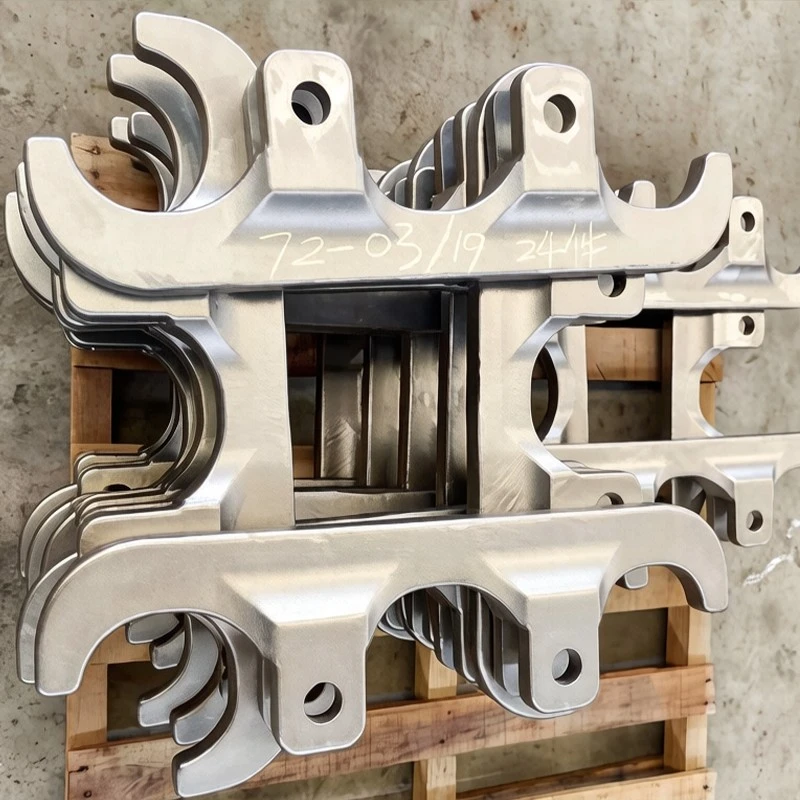
And let's not forget about the Furnace Tube Hanger. The proper heat transfer in the tubes is essential for the stability and longevity of the furnace tube hanger system. Our helical finned tubes can help to maintain the right temperature and heat distribution in the system.
When it comes to measuring the heat transfer efficiency of helical finned tubes, there are a few methods. One common way is to calculate the heat transfer coefficient. This is a measure of how well the tube can transfer heat from the fluid inside to the outside. A higher heat transfer coefficient means better efficiency.
Another way is to look at the overall heat transfer rate. This is the amount of heat that is transferred per unit time. By comparing the heat transfer rates of different tubes, you can get an idea of which ones are more efficient.
In conclusion, the heat transfer efficiency of helical finned tubes is a result of a combination of factors, including fin geometry, material, and fluid flow rate. These tubes offer a great solution for applications where efficient heat transfer is required.
If you're in the market for high - quality helical finned tubes, we're here to help. Whether you're in the petrochemical industry or any other field that requires efficient heat transfer, our tubes can meet your needs. We've got a wide range of options in terms of fin geometry and materials, so you can choose the ones that are best suited for your specific application.
Don't hesitate to reach out if you have any questions or if you're interested in discussing a potential purchase. We're always happy to have a chat and see how we can help you improve your heat transfer systems.
References:
- Incropera, F. P., & DeWitt, D. P. (2002). Fundamentals of Heat and Mass Transfer. Wiley.
- Bergman, T. L., Lavine, A. S., Incropera, F. P., & DeWitt, D. P. (2011). Introduction to Heat Transfer. Wiley.