

Measuring roller chain tension on a small engine is a crucial maintenance task that can significantly impact the engine's performance and longevity. As a supplier of Roller Chain Tension products, I understand the importance of this procedure and have extensive knowledge to share. In this blog, I'll guide you through the step - by - step process of accurately measuring roller chain tension on a small engine.
Why is Measuring Roller Chain Tension Important?
A proper roller chain tension is essential for several reasons. Firstly, a chain that is too loose can cause excessive vibration, which may lead to premature wear of the chain, sprockets, and other engine components. Loose chains are also more likely to skip teeth on the sprockets, resulting in power loss and inconsistent engine operation.
On the other hand, an overly tight chain can put additional stress on the engine's bearings and shafts. This increased stress can lead to bearing failure, shaft breakage, and can also cause the chain to stretch more rapidly. Therefore, maintaining the correct tension is key to ensuring smooth and efficient engine performance.
Tools Required
Before you start measuring the roller chain tension, you'll need a few tools:
- Chain Tension Gauge: A specialized tool designed to measure the tension of roller chains accurately. They come in different sizes, so make sure to choose the one that is compatible with your chain. You can find high - quality chain tension gauges on our website Roller Chain Tension.
- Wrenches: You'll need the appropriate wrenches to loosen and tighten the chain adjustment bolts on the engine.
- Clean Cloth: To clean the chain and sprockets before measurement. This helps to ensure accurate readings.
- Safety Gloves and Glasses: To protect your hands and eyes during the process.
Step - by - Step Guide to Measuring Roller Chain Tension
Step 1: Prepare the Engine
First, make sure the engine is turned off and has cooled down completely to avoid any risk of burns. Remove the engine cover or any guards that are blocking access to the roller chain. Use a clean cloth to wipe the chain and sprockets to remove any dirt, debris, or oil. This will not only make it easier to measure the tension but also prevent any contaminants from affecting the measurement.
Step 2: Locate the Chain Adjustment Points
On most small engines, there are adjustment bolts or mechanisms that allow you to change the chain tension. These are usually located near the sprockets or on the chain housing. Refer to your engine's manual if you're having trouble finding them.

Step 3: Measure the Initial Tension
- Place the chain tension gauge on the chain at a point midway between the two sprockets. Make sure the gauge is properly aligned with the chain. The gauge will typically have markings or a scale that indicates the tension level.
- Apply a small amount of pressure on the gauge to take the measurement. The reading on the gauge should be within the manufacturer's recommended tension range for your specific engine and chain. If the reading is too low, it means the chain is too loose; if it's too high, the chain is too tight.
Step 4: Adjust the Chain Tension
- If the chain is too loose, use the wrenches to loosen the adjustment bolts slightly. Then, gently pull the chain to increase the tension. Check the tension again with the gauge until it reaches the correct level. Once the tension is correct, tighten the adjustment bolts securely.
- If the chain is too tight, loosen the adjustment bolts and allow the chain to loosen up a bit. Re - measure the tension and make further adjustments as needed.
Step 5: Re - check the Tension
After making the adjustments, re - check the chain tension in at least two different places along the chain to ensure the tension is uniform. A non - uniform tension can cause uneven wear on the chain and sprockets.
Step 6: Reassemble the Engine
Once the chain tension is correct and uniform, replace the engine cover or guards. Make sure all the parts are securely fastened.
Common Mistakes to Avoid
- Over - tightening or Under - tightening: As mentioned earlier, incorrect tension can cause serious damage to the engine. Always follow the manufacturer's recommended tension specifications.
- Not Cleaning the Chain: Dirt and debris on the chain can affect the accuracy of the tension measurement. Always clean the chain before taking a measurement.
- Using the Wrong Tools: Using improper tools can lead to inaccurate measurements and can also damage the chain or the engine. Always use a proper chain tension gauge and the correct wrenches.
Additional Tips
- Regular Inspections: Make it a habit to check the roller chain tension regularly, especially if your engine is used frequently or in harsh conditions.
- Lubrication: Proper lubrication of the chain can help reduce wear and maintain the correct tension. Use a high - quality chain lubricant recommended by the manufacturer.
- Replace Worn Parts: If you notice excessive wear on the chain or sprockets, it's important to replace them as soon as possible. Worn parts can cause the chain tension to change more rapidly.
Related Products for Your Engine Maintenance
In addition to our Roller Chain Tension products, we also offer a range of other high - quality equipment for engine maintenance and related industrial applications. These include:
- Belt Wrapping Machine: Ideal for various industrial processes, this machine can help you with efficient belt wrapping operations.
- Radiation Furnace Tube: Designed for high - temperature applications in the metallurgical industry, these tubes are built to last.
- Heavy Duty Decoiler: A reliable solution for unwinding heavy coils of materials in industrial settings.
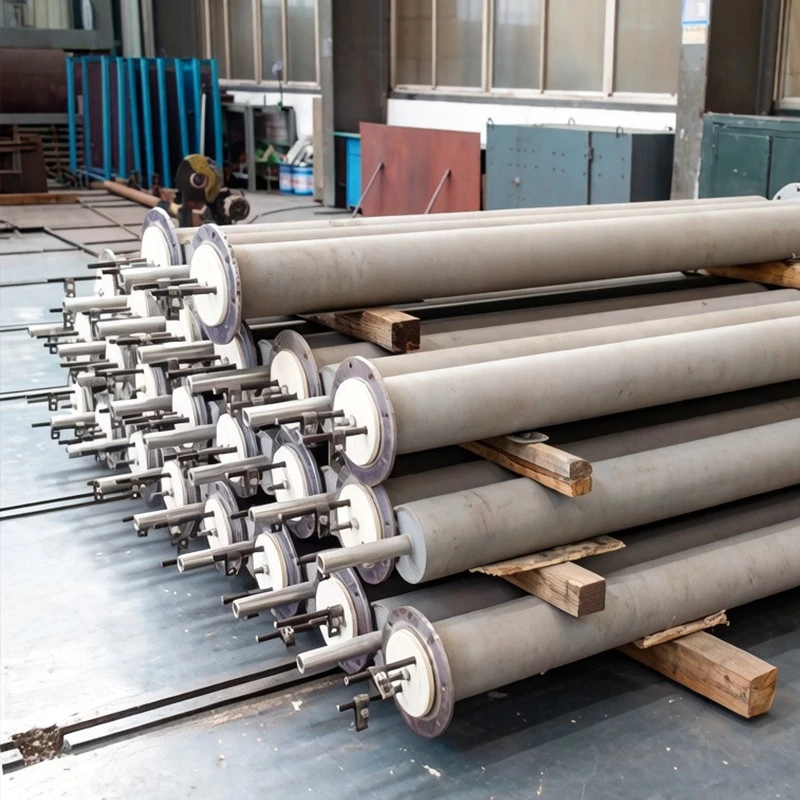
- Furnace Roller: These rollers are essential for smooth operation in furnaces and other high - temperature environments.
Conclusion and Call to Action
Measuring roller chain tension on a small engine is a relatively simple but important maintenance task. By following the steps outlined in this blog, you can ensure that your engine runs smoothly and efficiently. As a leading supplier of Roller Chain Tension products and other related equipment, we are committed to providing you with high - quality solutions for your engine maintenance needs.
If you have any questions about measuring roller chain tension, or if you're interested in purchasing any of our products, please feel free to reach out. We're here to assist you in making the right choices for your engine and industrial applications.
References
- Small Engine Maintenance Manuals
- Industry Standards for Roller Chain Tension
- Technical Literature on Engine Components and Maintenance