

Reformer catalyst tubes play a pivotal role in various industrial processes, especially in the petrochemical industry. These tubes are integral to reformer units where they facilitate crucial chemical reactions. The choice of tube material is not a trivial matter; it has far - reaching effects on the performance, efficiency, and lifespan of the reformer catalyst tubes. As a supplier of reformer catalyst tubes, I have witnessed firsthand how different tube materials impact these essential components.
Physical Properties of Tube Materials
The physical properties of the tube material are the first factors to consider. Thermal conductivity, for example, is of utmost importance. Tubes with high thermal conductivity can transfer heat more effectively from the heating source to the catalyst and the reactants inside the tube. This allows for a more uniform temperature distribution within the tube, which is crucial for the optimal performance of the reforming reaction.
Metals such as stainless steel have a relatively high thermal conductivity. They can quickly absorb and transfer heat, ensuring that the reactants reach the desired reaction temperature in a timely manner. In contrast, some ceramic materials may have lower thermal conductivity, which could lead to temperature gradients along the tube. These gradients might cause uneven reaction rates and potentially compromise the overall efficiency of the reforming process.
Another significant physical property is mechanical strength. Reformer catalyst tubes are often subjected to high temperatures, pressure, and mechanical stress. Materials with high tensile strength and good ductility are required to withstand these harsh conditions without deforming or cracking. Alloy steels are popular choices due to their excellent mechanical properties. They can maintain their shape and integrity under extreme temperatures and pressures, providing long - term reliability.
Chemical Compatibility
Chemical compatibility between the tube material and the reactants and products of the reforming reaction is also crucial. Reforming reactions typically involve a variety of hydrocarbons and catalyst substances. The tube material should not react with these chemicals in an adverse way, as this could lead to corrosion, fouling, or the formation of unwanted by - products.
For example, in steam reforming reactions, where hydrocarbons react with steam to produce hydrogen and carbon monoxide, the tube material must be resistant to oxidation and carburization. Nickel - based alloys are often used in such applications because they have good resistance to these chemical attacks. They form a stable oxide layer on the surface, which acts as a protective barrier against further oxidation and carburization.
On the other hand, if the tube material is not chemically compatible with the reactants, it can lead to a decrease in catalyst activity. For instance, the presence of certain impurities or the formation of metal - carbide compounds on the catalyst surface can block the active sites of the catalyst, reducing its ability to promote the reaction.
Catalyst Support and Interaction
The tube material can also act as a support for the catalyst. A good tube material should provide a stable and suitable surface for the catalyst to adhere to. The surface area and porosity of the tube material can influence the dispersion of the catalyst particles. A larger surface area allows for more catalyst to be loaded onto the tube, increasing the reaction area and potentially enhancing the reaction rate.
Some materials, such as alumina - based ceramics, are known for their high surface area and porosity. They can provide an ideal support structure for the catalyst, ensuring good dispersion and contact between the catalyst and the reactants. Additionally, the interaction between the tube material and the catalyst can affect the catalyst's performance. A proper chemical interaction can enhance the stability and activity of the catalyst, while an inappropriate interaction may lead to catalyst deactivation.
Impact on Tube Lifespan
The choice of tube material has a direct impact on the lifespan of the reformer catalyst tubes. Materials that are resistant to corrosion, erosion, and thermal fatigue can significantly extend the service life of the tubes. Corrosion is a major concern in reforming processes, especially in the presence of aggressive chemicals such as sulfur - containing compounds.
As a supplier, we often recommend materials like high - nickel alloys or specialized stainless steels for applications where corrosion resistance is a primary concern. These materials can withstand the corrosive environment for a longer period, reducing the frequency of tube replacements and minimizing downtime in the production process.
Thermal fatigue is another factor that affects tube lifespan. The repeated heating and cooling cycles in the reforming process can cause stress and strain on the tube material. Materials with good thermal fatigue resistance, such as certain alloy steels, can better endure these cycles without cracking or failing.
Role in Heat Transfer Efficiency
Heat transfer efficiency is critical for the performance of reformer catalyst tubes. The tube material affects how effectively heat is transferred from the furnace to the reactants inside the tube. Besides thermal conductivity, the design of the tube can also be influenced by the material.
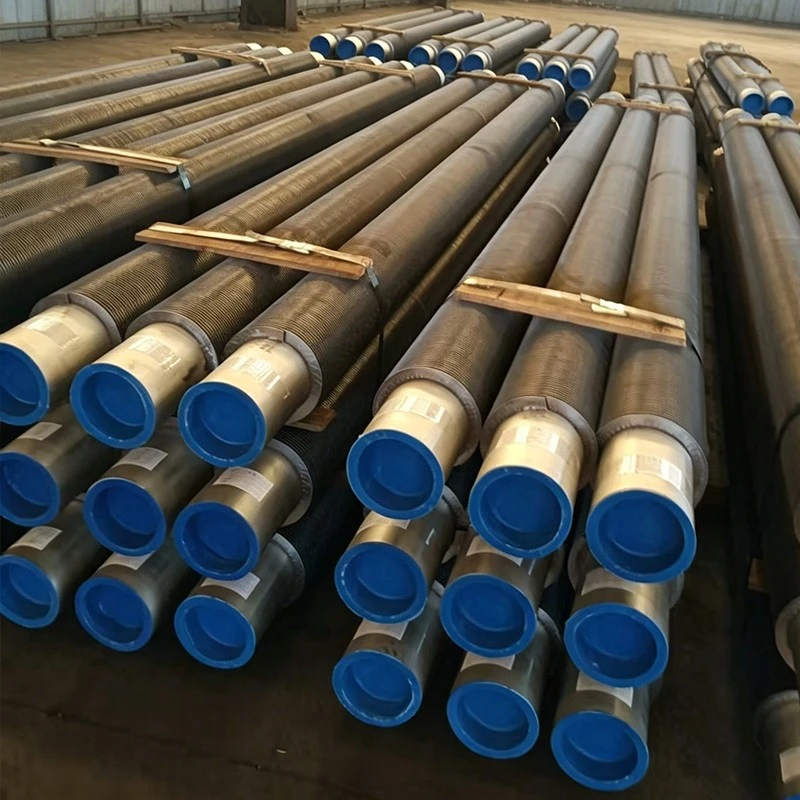
For example, Helical Finned Tube can be made from different materials. The choice of material can impact the fin's performance in enhancing heat transfer. A material with good mechanical properties can maintain the shape and integrity of the fins under high - temperature and high - pressure conditions, ensuring consistent heat transfer performance.
Influence on Process Safety
The tube material also plays a role in process safety. Tubes made from reliable materials reduce the risk of tube rupture or leakage, which can lead to safety hazards such as fires, explosions, or the release of toxic chemicals. Materials with high strength and good corrosion resistance are less likely to fail under normal operating conditions.
In addition, the use of certain materials can provide better protection against sudden changes in temperature or pressure. For example, some advanced alloys can absorb and dissipate energy during pressure surges, preventing catastrophic failures.
Cost - Benefit Analysis
From a cost - benefit perspective, the choice of tube material should be carefully considered. While high - performance materials like nickel - based alloys may offer excellent corrosion resistance and thermal properties, they are often more expensive than other materials. As a supplier, we work closely with our customers to understand their specific requirements and conduct a cost - benefit analysis.
For some applications where the operating conditions are relatively mild, less expensive materials such as stainless steel may be sufficient. However, for high - temperature, high - pressure, and corrosive environments, the long - term benefits of using more expensive but durable materials may outweigh the initial investment.
Related Products and Their Connection to Tube Material
There are several related products in the petrochemical equipment field that are closely related to reformer catalyst tubes. For instance, Cold Wall Manifold is an important component that distributes the reactants to the reformer catalyst tubes. The material of the cold - wall manifold should be compatible with the tube material to ensure seamless and efficient operation.
Pyrolysis Tube is another component that may interact with the reformer catalyst tubes in some processes. Similar to the reformer catalyst tubes, the pyrolysis tube's material should have good thermal and chemical properties to withstand the extreme conditions of pyrolysis reactions.
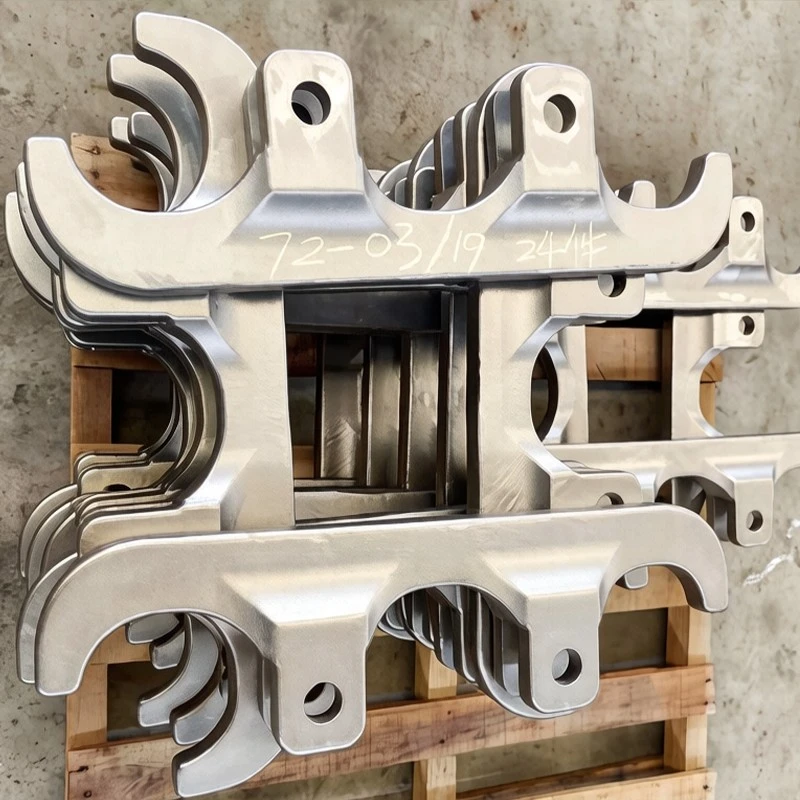
Furnace Tube Hanger provides support for the reformer catalyst tubes. The material of the hanger should have sufficient strength to hold the tubes in place under high - temperature and high - pressure conditions. It should also be resistant to thermal expansion and contraction to prevent misalignment of the tubes.
Intermediate Tube Sheet is used to separate different sections of the reformer and support the tubes. Its material should be able to withstand the mechanical stress and chemical environment in the reformer.
As a supplier of reformer catalyst tubes, we understand the complexity of choosing the right tube material. We have a team of experts who can provide comprehensive technical support and guidance to our customers. Whether you are building a new reformer unit or upgrading an existing one, we can help you select the most suitable tube material based on your specific needs.
If you are interested in purchasing reformer catalyst tubes or need more information about our products and services, please feel free to contact us for a detailed discussion. We are committed to providing high - quality products and excellent customer service to help you achieve optimal performance in your industrial processes.
References
- Brown, S. A. (2018). "Advanced Materials for High - Temperature Industrial Applications." Journal of Material Science and Technology.
- Green, R. J. (2019). "Chemical Compatibility in Petrochemical Processes." Petrochemical Engineering Review.
- White, L. M. (2020). "Thermal Management in Reformer Units." International Journal of Heat Transfer.