

Hey there! I'm a supplier of heating furnaces. Over the years, I've seen firsthand the potential consequences of a heating furnace overheating. It's not just a minor hiccup; it can lead to some pretty serious issues that can impact your operations, safety, and bottom line.
1. Equipment Damage
One of the most immediate consequences of a heating furnace overheating is damage to the equipment itself. Heating furnaces are made up of various components, including burners, heat exchangers, and control systems. When the furnace overheats, these components can be subjected to excessive stress and wear.
For example, the burners in a heating furnace are designed to operate within a specific temperature range. If the furnace overheats, the burners can become damaged, leading to inefficient combustion and reduced heating efficiency. This can result in increased fuel consumption and higher operating costs.
The heat exchangers in a heating furnace are also vulnerable to overheating. Heat exchangers are responsible for transferring heat from the burner to the fluid or gas being heated. When the furnace overheats, the heat exchangers can become clogged with debris, or they can develop leaks due to thermal expansion. This can reduce the efficiency of the heat transfer process, leading to longer heating times and higher energy costs.
In addition to the burners and heat exchangers, the control systems in a heating furnace can also be affected by overheating. Control systems are responsible for regulating the temperature, pressure, and flow rate of the furnace. When the furnace overheats, the control systems can malfunction, leading to inaccurate temperature readings and improper operation of the furnace. This can result in further damage to the equipment and increased safety risks.
2. Safety Risks
Overheating a heating furnace can also pose significant safety risks. One of the most serious safety risks is the potential for a fire or explosion. Heating furnaces typically use fuel, such as natural gas, oil, or coal, to generate heat. If the furnace overheats, the fuel can ignite, leading to a fire or explosion.
In addition to the risk of fire or explosion, overheating a heating furnace can also release harmful gases and pollutants into the environment. For example, when natural gas is burned, it releases carbon monoxide, a colorless and odorless gas that can be deadly if inhaled in high concentrations. Overheating a natural gas furnace can increase the production of carbon monoxide, putting the safety of your employees and customers at risk.
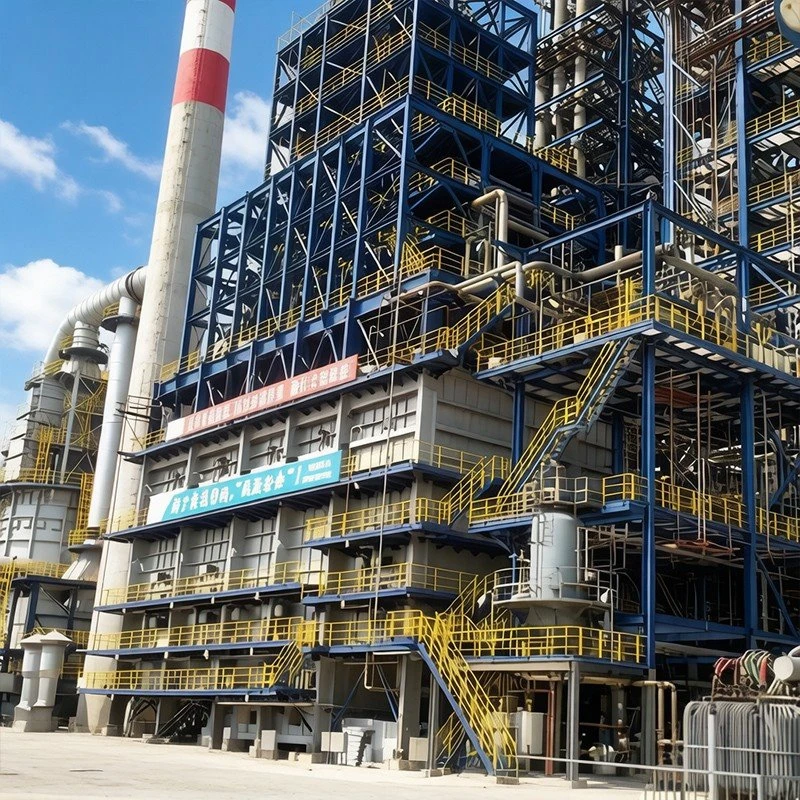
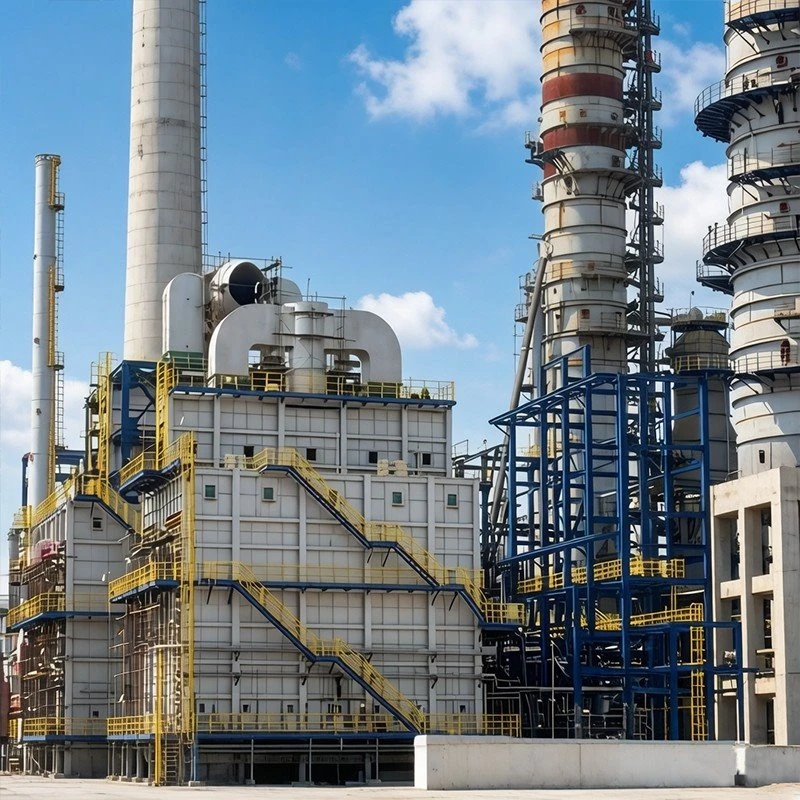
Another safety risk associated with overheating a heating furnace is the potential for equipment failure. When the furnace overheats, the components can become damaged, leading to unexpected shutdowns or malfunctions. This can disrupt your operations and pose a safety risk to your employees.
3. Reduced Product Quality
In some industries, such as petrochemicals, the quality of the product being heated can be affected by the temperature of the heating furnace. For example, in a Diesel Hydrotreater Heater, overheating can cause the diesel fuel to break down, leading to the formation of harmful byproducts and reduced product quality.
Similarly, in a Hydrogen Production Converter, overheating can affect the efficiency of the hydrogen production process, leading to reduced output and lower product quality.
In a Crude Oil Heater Treater, overheating can cause the crude oil to thermally crack, leading to the formation of coke and other undesirable products. This can reduce the flowability of the crude oil and increase the risk of equipment fouling.
4. Increased Maintenance Costs
When a heating furnace overheats, it can cause damage to the equipment, which can lead to increased maintenance costs. Repairs and replacements of damaged components can be expensive, and they can also result in downtime for your operations.
In addition to the cost of repairs and replacements, overheating a heating furnace can also increase the frequency of maintenance. For example, if the heat exchangers become clogged with debris due to overheating, they will need to be cleaned more frequently to maintain their efficiency. This can add to the overall maintenance costs of the furnace.
5. Environmental Impact
Overheating a heating furnace can also have a negative impact on the environment. As mentioned earlier, overheating can release harmful gases and pollutants into the environment, such as carbon monoxide, nitrogen oxides, and particulate matter. These pollutants can contribute to air pollution, which can have a variety of health effects on humans and animals.
In addition to air pollution, overheating a heating furnace can also increase energy consumption, which can contribute to greenhouse gas emissions. Greenhouse gases are responsible for global warming and climate change, which can have a significant impact on the environment and human health.
Preventing Overheating
As a heating furnace supplier, I understand the importance of preventing overheating. There are several steps that you can take to prevent your heating furnace from overheating, including:
- Regular Maintenance: Schedule regular maintenance for your heating furnace to ensure that it is operating properly. This includes cleaning the burners, heat exchangers, and control systems, as well as checking for leaks and other issues.
- Proper Installation: Make sure that your heating furnace is installed by a qualified professional. Proper installation is essential for ensuring that the furnace operates safely and efficiently.
- Monitoring and Control: Use monitoring and control systems to keep track of the temperature, pressure, and flow rate of your heating furnace. This will allow you to detect any issues early and take corrective action before they become serious.
- Training and Education: Provide training and education to your employees on how to operate and maintain your heating furnace safely and efficiently. This will help to prevent operator error, which can contribute to overheating.
Conclusion
Overheating a heating furnace can have serious consequences, including equipment damage, safety risks, reduced product quality, increased maintenance costs, and environmental impact. As a heating furnace supplier, I recommend taking proactive steps to prevent overheating, such as regular maintenance, proper installation, monitoring and control, and training and education.
If you're in the market for a new heating furnace, or if you need help diagnosing and fixing an overheating issue with your existing furnace, don't hesitate to contact me. I'd be happy to discuss your needs and provide you with a customized solution that meets your requirements. You can explore our range of high - quality heating furnaces like VGO Hydrotreating Furnace and Steam Reformer Furnace to find the one that suits your operations best. Let's start a conversation about how we can improve the performance and safety of your heating systems.
References
- "Heating Furnace Operation and Maintenance Guide", Industry Standard Publication
- "Safety Considerations in Petrochemical Heating Furnaces", Journal of Industrial Safety
- "Impact of Temperature on Product Quality in Heating Processes", Chemical Engineering Research Journal