

What is the role of the convection section in an Ethylene Cracking Furnace?
As a leading supplier of Ethylene Cracking Furnace, I've witnessed firsthand the critical importance of the convection section within these complex industrial systems. Ethylene cracking furnaces are at the heart of ethylene production, a fundamental process in the petrochemical industry. The convection section plays a multi - faceted role that significantly impacts the efficiency, productivity, and overall performance of the furnace.
Heat Recovery
One of the primary functions of the convection section is heat recovery. In an ethylene cracking furnace, the combustion of fuel in the radiant section generates a large amount of high - temperature flue gas. Instead of simply releasing this hot gas into the atmosphere, the convection section captures and utilizes its heat energy. The flue gas flows through the convection section, where it transfers heat to various process streams.
For instance, it pre - heats the feedstock, which is typically a hydrocarbon mixture such as naphtha or ethane. By pre - heating the feedstock, less energy is required in the radiant section to reach the cracking temperature. This not only reduces the fuel consumption of the furnace but also increases the overall thermal efficiency. A well - designed convection section can recover a substantial amount of heat, which translates into significant cost savings for the plant operators.
Moreover, the convection section also pre - heats the dilution steam. Dilution steam is added to the feedstock to reduce the partial pressure of hydrocarbons, which helps in the cracking reaction and reduces coke formation. Pre - heating the dilution steam in the convection section ensures that it reaches the appropriate temperature when it is mixed with the feedstock, further enhancing the cracking process.
Process Stream Pre - treatment
In addition to heat recovery, the convection section is involved in the pre - treatment of process streams. The high - temperature flue gas in the convection section can be used to remove impurities from the feedstock or to perform other chemical reactions before the feedstock enters the radiant section.
For example, some feedstocks may contain sulfur compounds. The heat from the flue gas in the convection section can be used to promote the reaction of sulfur compounds with certain additives, converting them into less harmful substances. This pre - treatment helps to protect the cracking tubes in the radiant section from corrosion and fouling, which can extend the service life of the tubes and reduce maintenance costs.
Temperature Regulation
The convection section also plays a role in temperature regulation within the ethylene cracking furnace. By controlling the flow rate and heat transfer in the convection section, operators can adjust the temperature of the process streams before they enter the radiant section. This is crucial because the cracking reaction in the radiant section is highly temperature - sensitive.
If the feedstock temperature is too low when it enters the radiant section, the cracking reaction may not occur efficiently, resulting in lower ethylene yields. On the other hand, if the temperature is too high, it can lead to excessive coke formation, which can block the cracking tubes and reduce the furnace's performance. The convection section provides a means to fine - tune the feedstock and steam temperatures to ensure optimal cracking conditions.
Comparison with Other Furnace Types
It's interesting to compare the role of the convection section in an ethylene cracking furnace with that in other types of heating furnaces, such as the PX Heating Furnace, VGO Hydrotreating Furnace, Residuum Hydroheating Furnace, and Hydrogen Production Converter.
In a PX heating furnace, the convection section is mainly focused on pre - heating the feedstock for the production of para - xylene. The heat recovery and pre - treatment functions are tailored to the specific requirements of the PX production process. Similarly, in a VGO hydrotreating furnace, the convection section is designed to pre - heat the vacuum gas oil feedstock and the hydrogen stream before they enter the hydrotreating reactor.
For a residuum hydroheating furnace, the convection section has to deal with high - viscosity feedstocks and more complex impurity removal tasks. In a hydrogen production converter, the convection section plays a role in pre - heating the feed gases and promoting the steam reforming reaction. Each of these furnaces has unique requirements, but the basic principles of heat recovery and process stream pre - treatment in the convection section remain similar.
Impact on Furnace Design and Operation
The role of the convection section has a profound impact on the design and operation of the ethylene cracking furnace. In terms of design, the size, shape, and tube arrangement of the convection section need to be carefully optimized to ensure efficient heat transfer. The number of tubes, their diameter, and the spacing between them all affect the heat transfer coefficient and the pressure drop across the convection section.
During operation, regular monitoring and maintenance of the convection section are essential. Fouling of the tubes in the convection section can occur due to the deposition of coke, ash, or other impurities. This not only reduces the heat transfer efficiency but also increases the pressure drop, which can lead to higher energy consumption and potential operational problems. Operators need to implement appropriate cleaning and inspection procedures to keep the convection section in good working condition.
Importance in the Petrochemical Industry
Ethylene is one of the most widely produced petrochemicals, and it serves as a building block for numerous downstream products, including plastics, synthetic fibers, and solvents. As a result, the efficiency and reliability of ethylene cracking furnaces are of utmost importance to the petrochemical industry.
The convection section, with its heat recovery, process stream pre - treatment, and temperature regulation functions, directly contributes to the overall performance of the ethylene cracking furnace. By maximizing the efficiency of the convection section, petrochemical plants can increase their ethylene production, reduce their energy consumption, and minimize their environmental impact.
Why Choose Our Ethylene Cracking Furnaces
At our company, we understand the critical role of the convection section in ethylene cracking furnaces. Our engineers have extensive experience in designing and optimizing these sections to ensure the best possible performance. We use advanced simulation tools to model the heat transfer and fluid flow in the convection section, allowing us to fine - tune the design for maximum efficiency and reliability.
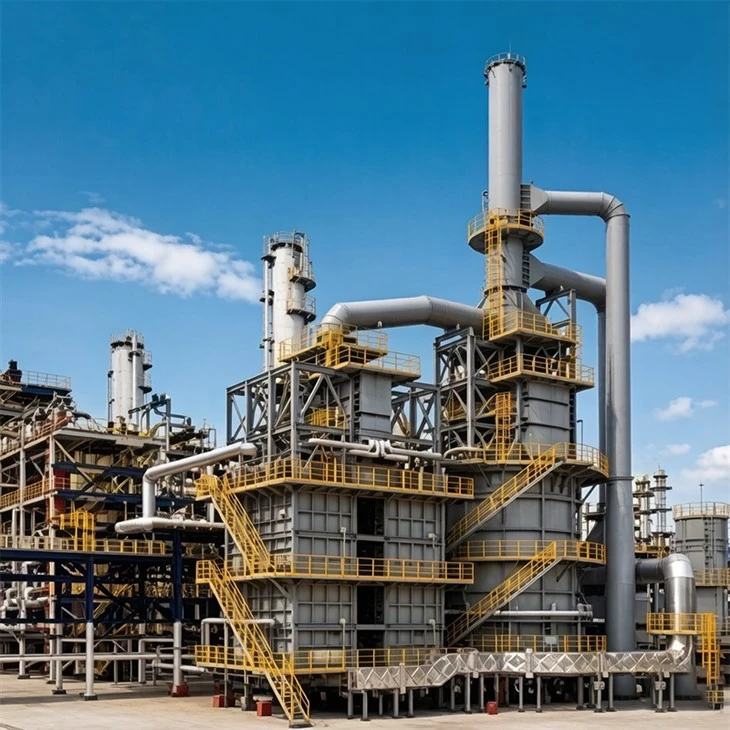

Our ethylene cracking furnaces are also equipped with state - of - the - art monitoring systems that continuously collect data on the performance of the convection section. This real - time data enables operators to make informed decisions and take proactive measures to prevent any potential problems. We also offer comprehensive after - sales support, including maintenance, repair, and upgrade services, to ensure that our customers' furnaces operate at peak performance throughout their service life.
Conclusion
In conclusion, the convection section in an ethylene cracking furnace is a vital component that performs multiple important functions. From heat recovery and process stream pre - treatment to temperature regulation, it has a significant impact on the efficiency, productivity, and sustainability of the ethylene production process. As a leading supplier of ethylene cracking furnaces, we are committed to providing our customers with the highest - quality equipment and services that optimize the performance of the convection section and the entire furnace system.
If you are interested in learning more about our ethylene cracking furnaces or would like to discuss your specific requirements, we encourage you to contact us for a procurement consultation. We are dedicated to helping you achieve your production goals with our advanced furnace technology and expert support.
References
- Smith, J. (2020). Petrochemical Furnace Technology. Elsevier.
- Johnson, A. (2019). Heat Transfer in Industrial Furnaces. Taylor & Francis.
- Petrochemical Industry Handbook (2021 Edition). Chemical Publishing Company.