

Hey there! As a supplier of Industrial Rotary Tables, I often get asked a pretty interesting question: Can an industrial rotary table be used for medical device machining? Well, let's dive right into this topic and find out.

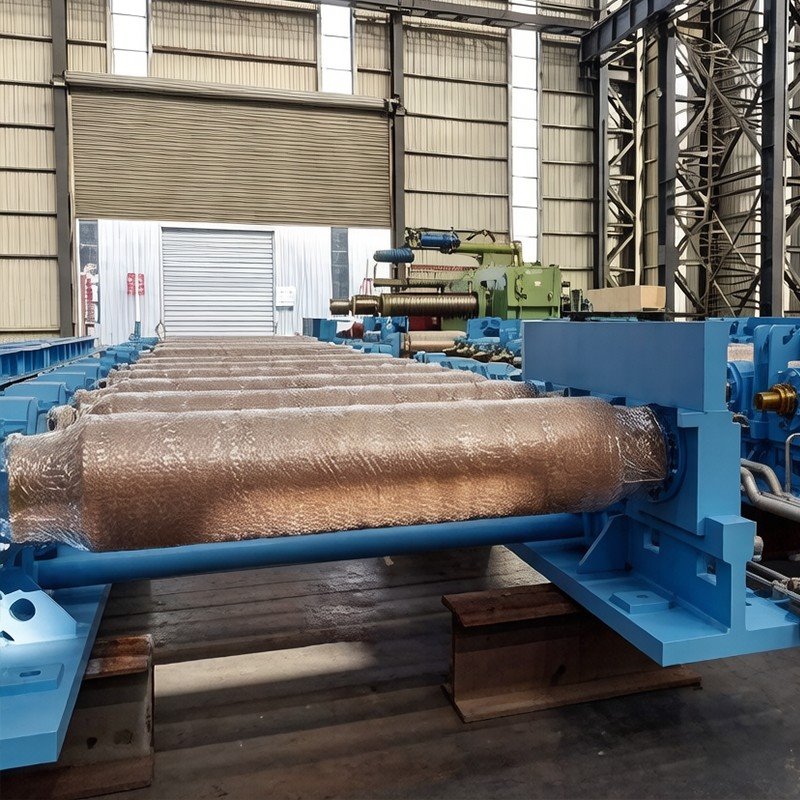
First off, let's talk a bit about what an Industrial Rotary Table is. It's a precision device used in machining operations. It allows for the rotation of a workpiece, which is super handy for creating complex shapes and performing multi - sided machining. These tables come in different sizes and specifications, with varying degrees of accuracy and load - bearing capacities.
Now, when it comes to medical device machining, the requirements are extremely high. Medical devices need to be made with the utmost precision because they are used in the healthcare industry, where even the slightest error can have serious consequences. The materials used for medical devices are often special, like titanium alloys, stainless steel, and biocompatible polymers. These materials require careful handling during the machining process.
One of the key advantages of using an industrial rotary table for medical device machining is its ability to provide accurate positioning. In medical device manufacturing, many components need to have very precise angles and orientations. For example, surgical instruments might need to have a specific curvature or angle so that they can be used effectively during a procedure. An industrial rotary table can rotate the workpiece precisely, allowing the machine tool to cut or shape the material at the exact location and angle required.
Another benefit is the multi - axis machining capabilities. Many modern industrial rotary tables are designed to work in conjunction with other axes of motion on a machining center. This allows for complex 3D machining of medical components. For instance, dental implants often have a complex screw - like shape with a smooth surface finish. With an industrial rotary table, the machining center can rotate the implant blank as it cuts, creating the precise threads and contours needed.
However, there are also some challenges when using an industrial rotary table for medical device machining. One of the main issues is contamination control. Medical devices need to be manufactured in a clean environment to prevent the introduction of any foreign particles that could cause infections or other problems when the device is used. Standard industrial rotary tables may be used in a normal factory environment where there is a lot of dust and debris. To use them for medical device machining, additional measures need to be taken. This could include enclosing the table in a clean room or using high - efficiency air filters and special protective coatings on the table.
The surface finish requirements for medical devices are also very strict. Medical components often need to have a very smooth surface to prevent tissue damage or to ensure proper function. Industrial rotary tables need to be able to work with machine tools that can achieve these high - quality surface finishes. Sometimes, the standard cutting tools used with industrial rotary tables may not be suitable for medical device materials, and special cutting tools may need to be used.
Let's also consider some alternative equipment in the industrial machinery world. For example, a Roller Ball Conveyor Table is mainly used for moving workpieces around the factory floor. It's not really designed for the precision machining required for medical devices. While it can be useful in the overall manufacturing process for transporting materials to and from the machining area, it doesn't have the precision and rotational capabilities of an industrial rotary table.
A Heavy Plate Tilter is used for tilting heavy plates in metallurgical and other industries. It's not relevant for the fine - scale and precise machining of medical devices. Its main function is related to handling large and heavy metal plates, which is a completely different application compared to medical device manufacturing.
An Industrial Cooling Bed is used to cool down hot - rolled products like steel bars or plates. Again, this is a far cry from the requirements of medical device machining. Medical devices are usually made from smaller pieces of material that don't need to go through a hot - rolling and cooling process like large - scale metal products.
So, in conclusion, an industrial rotary table can definitely be used for medical device machining, but it comes with some challenges that need to be addressed. With proper modification and setup, it can offer the precision and flexibility needed for manufacturing high - quality medical devices.
If you're in the medical device manufacturing industry and are looking for a reliable Industrial Rotary Table for your machining operations, I'd love to talk to you. We offer a wide range of industrial rotary tables with different specifications to meet your specific needs. Whether you need a small - scale table for manufacturing delicate dental components or a larger, more robust table for creating orthopedic implants, we've got you covered. Just reach out, and we can start discussing how our products can fit into your manufacturing process.
References:
- General knowledge of industrial machinery and medical device manufacturing
- Industry - specific technical manuals for industrial rotary tables