

What is the abrasion resistance of Helical Finned Tubes?
As a leading supplier of Helical Finned Tubes, I am often asked about the abrasion resistance of these essential components. In this blog post, I will delve into the concept of abrasion resistance in Helical Finned Tubes, exploring what it means, why it is crucial, and how it can impact your operations.
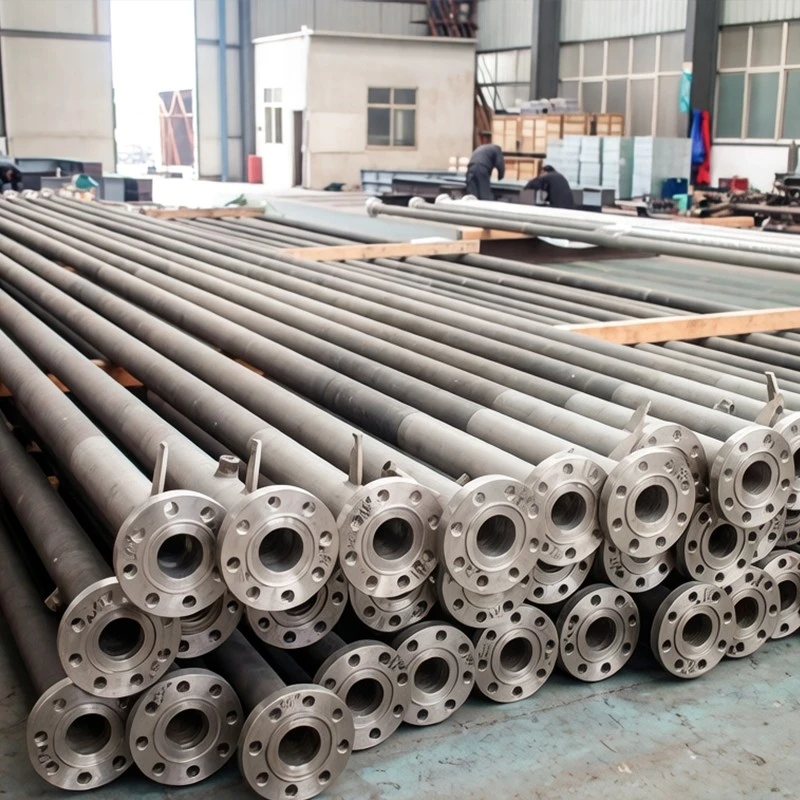
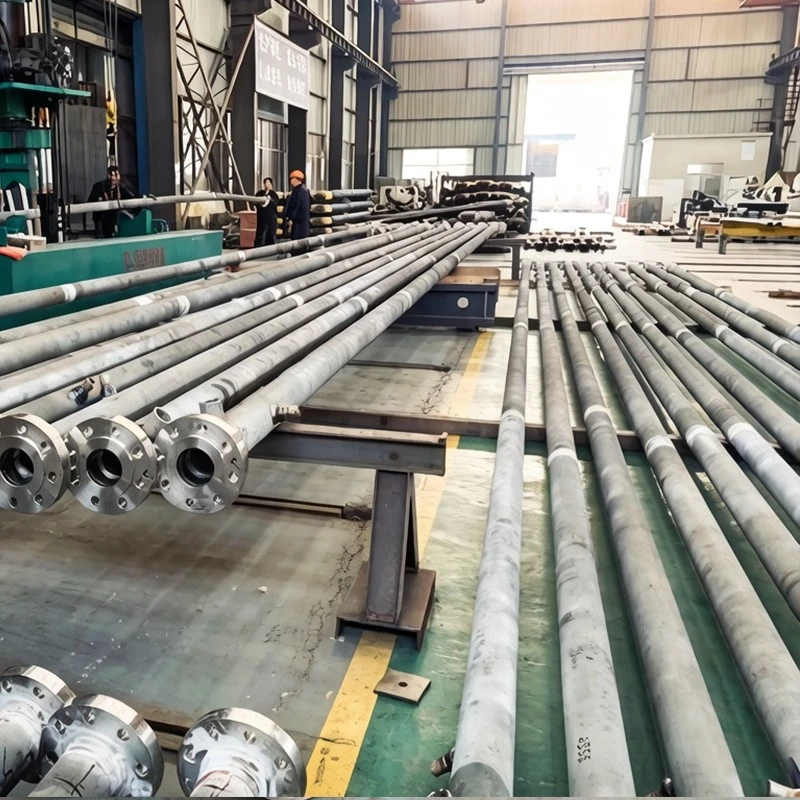
Understanding Abrasion Resistance
Abrasion resistance refers to a material's ability to withstand wear and tear caused by friction or rubbing against other surfaces. In the context of Helical Finned Tubes, abrasion resistance is particularly important because these tubes are used in a variety of industrial applications where they may come into contact with abrasive substances, such as solid particles, gases containing particulates, or high - velocity fluids.
When a Helical Finned Tube lacks sufficient abrasion resistance, it can lead to several problems. Over time, the fins on the tube can wear down, which reduces the heat transfer efficiency of the tube. As the fins become thinner, the surface area available for heat exchange decreases, resulting in less effective heat transfer. Additionally, excessive abrasion can cause holes or cracks to form in the tube, leading to leaks and ultimately, system failure.
Factors Affecting Abrasion Resistance of Helical Finned Tubes
Material Selection
The material used to manufacture the Helical Finned Tube plays a significant role in its abrasion resistance. Different metals and alloys have varying levels of hardness and toughness, which directly influence their ability to withstand abrasion.
For example, stainless steel is a popular choice for Helical Finned Tubes in many applications due to its good balance of corrosion resistance and abrasion resistance. Stainless steel contains chromium, which forms a passive oxide layer on the surface of the tube, protecting it from both corrosion and abrasion. Other materials like carbon steel can also be used, but they may require additional surface treatments to enhance their abrasion resistance.
Fin Design
The design of the helical fins on the tube can also affect its abrasion resistance. Fin thickness, pitch, and height are all important factors. Thicker fins generally offer better abrasion resistance as they have more material to withstand the wear and tear.
The pitch of the fins, which is the distance between adjacent fins, can impact how the abrasive particles interact with the tube. A wider pitch may allow particles to pass through more easily without causing excessive abrasion, while a narrower pitch could potentially trap particles and increase the wear on the fins.
The height of the fins is another consideration. Taller fins may be more prone to abrasion as they present a larger surface area for contact with abrasive substances. However, they also provide more surface area for heat transfer, so a balance must be struck between heat transfer efficiency and abrasion resistance.
Operating Conditions
The operating conditions in which the Helical Finned Tubes are used have a major impact on their abrasion resistance. High - velocity fluids or gases can cause more significant abrasion compared to low - velocity ones, as the particles in the fluid or gas have more kinetic energy when moving at higher speeds.
The concentration of abrasive particles in the fluid or gas is also crucial. A higher concentration of particles means more opportunities for abrasion to occur. Additionally, the temperature and pressure of the operating environment can affect the mechanical properties of the tube material, which in turn can influence its abrasion resistance.
Measuring Abrasion Resistance
There are several methods to measure the abrasion resistance of Helical Finned Tubes. One common approach is the Taber Abraser test, where a rotating abrasive wheel is applied to the surface of the tube under a specific load for a set number of cycles. The weight loss of the tube after the test is then measured, and this can be used as an indicator of its abrasion resistance.
Another method is the Sand Abrasion test, in which the tube is exposed to a stream of sand or other abrasive particles at a controlled velocity and for a specific duration. The amount of material removed from the tube surface is measured to assess its abrasion resistance.
Importance of Abrasion Resistance in Industrial Applications
In industries such as petrochemical, power generation, and HVAC, Helical Finned Tubes are used extensively for heat exchange purposes. The abrasion resistance of these tubes is crucial for maintaining the efficiency and reliability of the heat exchange systems.
In petrochemical plants, for example, Helical Finned Tubes are often used in Reformer Catalyst Tubes and Pyrolysis Tube. These tubes are exposed to high - temperature gases containing various types of abrasive particles, such as coke and catalyst fines. If the tubes do not have good abrasion resistance, it can lead to frequent tube replacements, which are costly and can cause significant downtime for the plant.
In power generation plants, Helical Finned Tubes are used in boilers and condensers. The flue gases in boilers often contain fly ash and other abrasive substances. A lack of abrasion resistance in the tubes can result in reduced heat transfer efficiency, increased fuel consumption, and potential safety hazards.
In HVAC systems, Helical Finned Tubes are used for air - to - liquid or liquid - to - liquid heat exchange. The air or liquid flowing through the system may contain dust or other small particles that can cause abrasion over time. Ensuring the tubes have good abrasion resistance can extend the lifespan of the HVAC system and improve its overall performance.
How We Ensure High Abrasion Resistance in Our Helical Finned Tubes
As a supplier, we take several steps to ensure that our Helical Finned Tubes have excellent abrasion resistance. We carefully select the materials for our tubes, using high - quality stainless steels and other alloys that are known for their good abrasion - resistant properties.
Our manufacturing processes are also optimized to enhance abrasion resistance. We use advanced techniques to control the fin design, ensuring that the fins have the appropriate thickness, pitch, and height to balance heat transfer efficiency and abrasion resistance.
In addition, we offer surface treatments for our tubes, such as coatings and hardening processes. These treatments can further improve the abrasion resistance of the tubes, especially in harsh operating environments.
Conclusion
The abrasion resistance of Helical Finned Tubes is a critical factor that can significantly impact the performance and lifespan of heat exchange systems in various industries. By understanding the factors that affect abrasion resistance, measuring it accurately, and taking steps to enhance it, we can provide our customers with high - quality Helical Finned Tubes that meet their specific requirements.
If you are in need of Helical Finned Tubes for your industrial applications, we are here to help. Our team of experts can assist you in selecting the right tubes with the appropriate abrasion resistance for your operating conditions. Contact us today to start a discussion about your procurement needs and let us work together to find the best solutions for your business.
References
- Smith, J. (2018). "Abrasion Resistance in Industrial Tubes: A Comprehensive Review." Journal of Materials Science.
- Johnson, M. et al. (2019). "Factors Affecting the Abrasion Resistance of Helical Finned Tubes in Petrochemical Applications." Industrial and Engineering Chemistry Research.
- Brown, P. (2020). "Measuring Abrasion Resistance of Tube Materials." Journal of Testing and Evaluation.