

In the realm of industrial equipment, the question of whether a PX Heating Furnace can be used for melting metals is a topic that warrants in - depth exploration. As a supplier of PX Heating Furnaces, I am well - versed in the capabilities and limitations of these remarkable pieces of machinery, and I am here to share some insights on this matter.
Understanding the PX Heating Furnace
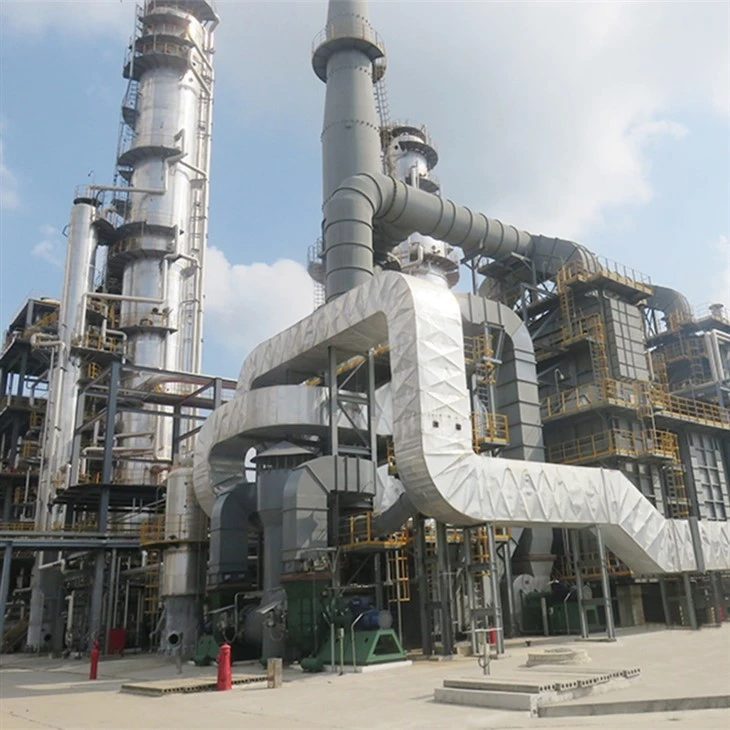
Before we delve into the question of metal melting, it is crucial to understand what a PX Heating Furnace is and its primary functions. The PX Heating Furnace is designed with a specific set of applications in mind, primarily within the petrochemical industry. It is engineered to provide high - temperature heating for processes such as vaporization, cracking, and reaction of petrochemical products.
This type of furnace is built to handle a variety of feedstocks, including different grades of hydrocarbons. It operates under strict temperature and pressure controls to ensure efficient and safe processing. The design of the PX Heating Furnace focuses on heat transfer efficiency, uniform heating, and long - term reliability.
The Requirements for Metal Melting
Melting metals is a highly specialized process that demands specific conditions. The first and most obvious requirement is the ability to reach and maintain extremely high temperatures. Different metals have different melting points; for example, aluminum melts at around 660°C, copper at approximately 1,085°C, and iron at about 1,538°C.
In addition to high temperatures, metal melting processes often require a controlled atmosphere. This is because many metals are prone to oxidation when exposed to air at high temperatures. A controlled atmosphere, such as an inert gas environment or a reducing atmosphere, can prevent oxidation and ensure the quality of the molten metal.
Assessing the Suitability of PX Heating Furnace for Metal Melting
Temperature - Capability Analysis
The PX Heating Furnace is capable of reaching high temperatures, which is a positive aspect when considering metal melting. However, the specific temperature range of a PX Heating Furnace is optimized for petrochemical processes. While it can achieve high enough temperatures to melt some low - melting - point metals like lead (melting point around 327°C) or tin (melting point around 232°C), it may face challenges when dealing with high - melting - point metals such as steel or titanium.
The heating elements and insulation materials in a PX Heating Furnace are selected based on the requirements of petrochemical applications. These may not be designed to withstand the extreme temperatures and thermal stresses associated with melting high - melting - point metals over an extended period. Prolonged exposure to the high temperatures required for melting such metals could lead to premature failure of the heating elements or damage to the insulation, reducing the furnace's lifespan and increasing maintenance costs.
Atmosphere Control
As mentioned earlier, metal melting often requires a controlled atmosphere. PX Heating Furnaces are typically designed to operate in an environment that is suitable for petrochemical reactions, which may not necessarily be a controlled atmosphere for metal melting. Modifying the furnace to create a controlled atmosphere for metal melting would require significant engineering changes, including the installation of gas supply systems and atmosphere control devices.
Material Compatibility
The interior lining of a PX Heating Furnace is usually made of materials that are compatible with petrochemical products. When used for metal melting, these materials may react with the molten metals, causing contamination of the metal and damage to the furnace lining. For example, some refractory materials used in PX Heating Furnaces may be corroded by certain molten metals, leading to the release of impurities into the metal and affecting its quality.
Alternative Furnaces for Metal Melting
If you are specifically looking for a furnace for metal melting, there are several types of furnaces that are better suited for this purpose. For example, induction furnaces are widely used for melting metals. Induction furnaces use electromagnetic induction to generate heat within the metal, which allows for rapid heating and precise temperature control. They can be designed to operate in a controlled atmosphere, making them ideal for high - quality metal melting processes.
Another option is the electric arc furnace, which uses an electric arc to generate heat. Electric arc furnaces are capable of melting large quantities of metal quickly and are commonly used in the steel industry. These furnaces can also be equipped with systems for controlling the atmosphere and removing impurities.
Our Other Furnace Offerings
As a supplier of PX Heating Furnaces, we also offer a range of other heating furnaces for different industrial applications. You can learn more about our Steam Reformer Furnace, Crude Oil Heater Treater, Ethylene Cracking Furnace, Diesel Hydrotreater Heater, and VGO Hydrotreating Furnace on our website.
Conclusion and Call to Action
In conclusion, while a PX Heating Furnace has its capabilities in the petrochemical field, it has limitations when it comes to metal melting. The temperature requirements, atmosphere control, and material compatibility associated with metal melting make it challenging for a PX Heating Furnace to serve as an effective metal - melting solution without significant modifications.
However, we understand that every industrial process has unique requirements. If you are still considering using a PX Heating Furnace for metal melting or have other heating - related needs, we invite you to contact us. Our team of experts can provide you with detailed technical information and help you find the most suitable solution for your specific application. Whether it's a PX Heating Furnace or one of our other furnace offerings, we are committed to providing high - quality equipment and excellent customer service. Reach out to us to start a discussion about your procurement needs and explore the possibilities of working together.
References
- Perry, R. H., & Green, D. W. (Eds.). (2008). Perry's Chemical Engineers' Handbook. McGraw - Hill.
- ASM Handbook Committee. (2002). ASM Handbook, Volume 1: Properties and Selection: Irons, Steels, and High - Performance Alloys. ASM International.
- Incropera, F. P., & DeWitt, D. P. (2002). Fundamentals of Heat and Mass Transfer. John Wiley & Sons.