

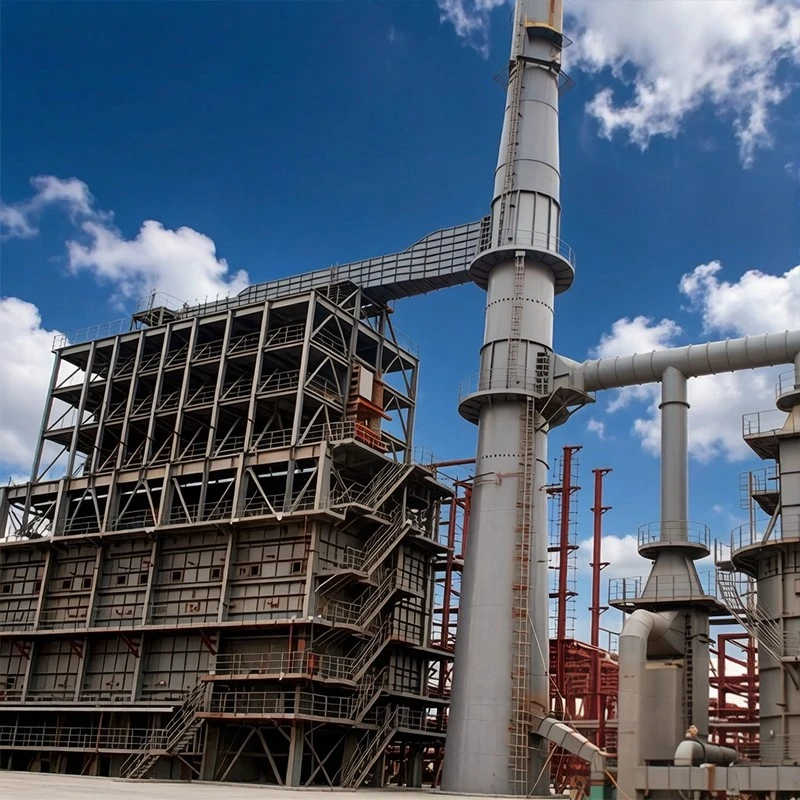
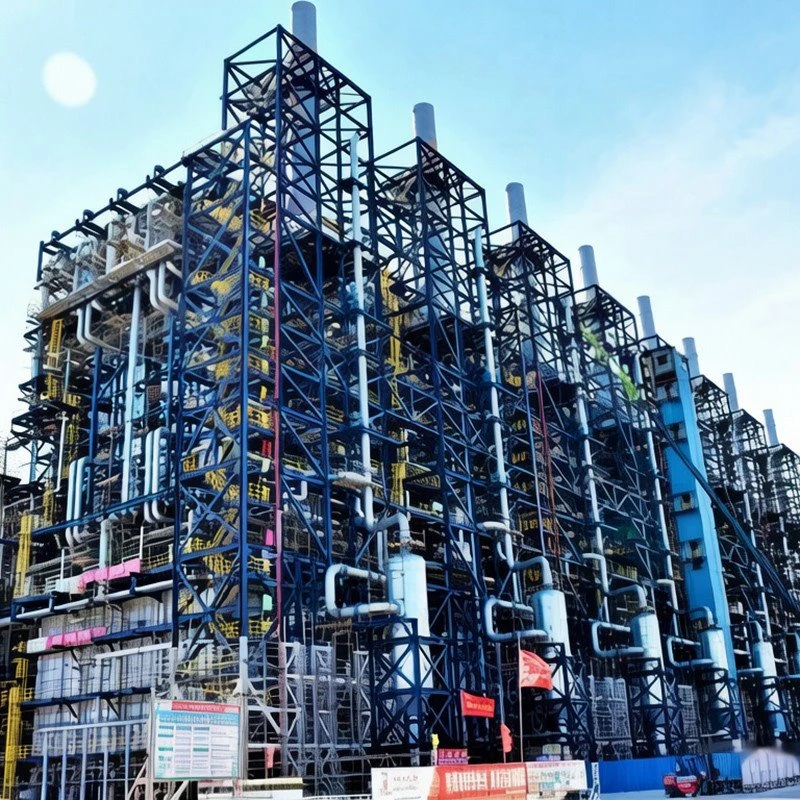
Hey there! As a supplier of Steam Reformer Furnace, I know firsthand the importance of regular maintenance for these beasts of machines. A steam reformer furnace is a key piece of equipment in the petrochemical industry, used for producing hydrogen, syngas, and other key chemicals. But like any complex piece of machinery, it needs proper care and maintenance to keep running smoothly and efficiently. So, let's dive into how to perform regular maintenance on a steam reformer furnace.
1. Pre - Maintenance Inspection
Before you start any maintenance work, a thorough inspection is a must. First off, check the exterior of the furnace. Look for any signs of physical damage such as cracks, dents, or corrosion. A seemingly small crack could lead to big problems down the road, like heat loss or even a safety hazard.
Next, inspect the insulation. Good insulation is crucial for the efficiency of the furnace. If the insulation is damaged or deteriorating, it can cause the furnace to work harder to maintain the required temperature, which means higher fuel consumption and more wear and tear on the system.
Verify all the connections. Make sure that the pipes, valves, and electrical connections are tight and in good condition. Loose connections can lead to leaks of fuel or steam, and electrical issues can disrupt the operation of the furnace.
2. Tube and Catalyst Maintenance
The tubes in a steam reformer furnace are where the magic happens. They are responsible for containing the reactants and facilitating the chemical reactions. Over time, these tubes can suffer from coking, which is the deposition of carbon on the inner walls. Coking reduces the heat transfer efficiency and can even lead to tube blockages.
To prevent coking, you need to monitor the operating conditions closely. Keep the temperature, pressure, and flow rates within the recommended ranges. Regularly clean the tubes to remove any carbon deposits. There are different cleaning methods available, such as chemical cleaning or mechanical cleaning, depending on the severity of the coking.
The catalyst in the furnace is also a critical component. It speeds up the chemical reactions and helps to achieve the desired product yields. However, catalysts can deactivate over time due to fouling, poisoning, or thermal degradation. Inspect the catalyst regularly for signs of deactivation. If necessary, regenerate or replace the catalyst. A well - maintained catalyst ensures the optimal performance of the steam reformer furnace.
3. Burner Maintenance
The burners are responsible for providing the heat needed for the reforming process. They need to be maintained properly to ensure efficient and clean combustion.
Check the burner tips for any signs of clogging or damage. Clogged burner tips can lead to uneven burning, reduced flame stability, and higher emissions. Clean the burner tips regularly to remove any debris or carbon buildup.
Verify the fuel supply to the burners. Make sure that the fuel pressure is within the correct range and that there are no leaks in the fuel lines. A consistent and proper fuel supply is essential for the proper operation of the burners.
Adjust the air - fuel ratio. An incorrect air - fuel ratio can lead to incomplete combustion, which not only wastes fuel but also produces harmful pollutants. Use the appropriate instruments to measure and adjust the air - fuel ratio to achieve optimal combustion conditions.
4. Control System Maintenance
The control system of the steam reformer furnace is like the brain of the operation. It regulates the temperature, pressure, flow rates, and other important parameters.
Regularly calibrate the sensors and instruments in the control system. Over time, these sensors can drift out of calibration, which can lead to inaccurate readings and improper control of the furnace. Follow the manufacturer's recommendations for calibration intervals and procedures.
Check the software and programming of the control system. Make sure that there are no bugs or glitches that could affect the performance of the furnace. If necessary, update the software to the latest version to take advantage of any improvements or bug fixes.
Inspect the electrical components of the control system, such as relays, switches, and circuit boards. Look for any signs of overheating, corrosion, or other damage. Replace any faulty components promptly to avoid system failures.
5. Safety Equipment Maintenance
Safety should always be a top priority when it comes to operating a steam reformer furnace. The safety equipment, such as pressure relief valves, fire alarms, and emergency shutdown systems, needs to be maintained regularly.
Test the pressure relief valves to ensure that they are functioning properly. These valves are designed to release excess pressure in the furnace to prevent explosions. If a pressure relief valve fails to work when needed, it can have catastrophic consequences.
Check the fire alarms and emergency shutdown systems regularly. Make sure that they are activated and that the sensors are working correctly. Conduct regular drills to ensure that the operators know how to respond in case of an emergency.
Additional Furnace Types and Their Importance
In addition to steam reformer furnaces, we also supply other types of furnaces like PX Heating Furnace, Ethylene Cracking Furnace, Residuum Hydroheating Furnace, and Diesel Hydrotreater Heater. Each of these furnaces plays a crucial role in the petrochemical industry, and proper maintenance is equally important for them.
Conclusion
Performing regular maintenance on a steam reformer furnace is not only essential for its efficient operation but also for ensuring safety and reducing operational costs. By following the steps outlined above, you can keep your furnace in top - notch condition and avoid costly breakdowns.
If you're in the market for a new Steam Reformer Furnace or any of our other petrochemical furnaces, or if you have any questions about maintenance or our products, don't hesitate to reach out. We're here to help you with all your furnace needs and ensure you get the best performance out of your equipment.
References
- Petrochemical Plant Equipment Handbook
- Fundamentals of Chemical Reaction Engineering