

When it comes to industrial production, an efficient cooling process is crucial for maintaining the quality and integrity of various products. As an Industrial Cooling Bed supplier, I've seen firsthand how optimizing the performance of these cooling beds can significantly enhance productivity and reduce operational costs. In this blog, I'll share some practical tips and strategies to help you get the most out of your industrial cooling bed.
Understanding the Basics of an Industrial Cooling Bed
First things first, let's get a quick rundown on what an industrial cooling bed is. An Industrial Cooling Bed is a key piece of equipment used in industries like steel manufacturing and metalworking. Its main job is to cool down hot-rolled products, like bars, rods, and sections, from the high temperatures of the rolling process to a temperature where they can be safely handled and further processed.
There are different types of cooling beds, including walking beam, rake, and chain cooling beds. Each type has its own set of advantages and is suited to different production requirements. For instance, walking beam cooling beds are great for handling large and heavy products, while chain cooling beds are more suitable for high-speed production lines.
Factors Affecting Cooling Bed Performance
Before we dive into the optimization strategies, it's important to understand the factors that can affect the performance of an industrial cooling bed. Here are some of the key ones:
- Airflow: Proper airflow is essential for efficient cooling. If the air circulation around the hot products is poor, it can lead to uneven cooling, which may result in product defects and reduced quality.
- Product Placement: How the products are placed on the cooling bed can also have a big impact on cooling performance. If the products are too close together, it can restrict airflow and slow down the cooling process.
- Cooling Bed Design: The design of the cooling bed, including the type of conveyor system and the materials used, can affect its efficiency and durability. For example, a well-designed conveyor system can ensure smooth movement of the products, while high-quality materials can withstand the high temperatures and heavy loads.
- Maintenance: Regular maintenance is crucial for keeping the cooling bed in good working condition. Neglecting maintenance can lead to issues like mechanical failures, reduced airflow, and uneven cooling.
Optimization Strategies
1. Improve Airflow
One of the most effective ways to optimize the performance of an industrial cooling bed is to improve the airflow around the hot products. Here are some tips to help you do this:
- Install Fans: Adding fans to the cooling bed can help increase the airflow and speed up the cooling process. Make sure to position the fans in a way that directs the air towards the hot products.
- Optimize Ventilation: Ensure that the ventilation system in the cooling area is working properly. This may involve cleaning or replacing air filters, checking for any blockages in the ducts, and making sure that the exhaust vents are functioning correctly.
- Use Air Nozzles: Air nozzles can be used to direct a high-velocity stream of air towards the hot products. This can help enhance the cooling effect, especially in areas where the airflow is limited.
2. Optimize Product Placement
Proper product placement is key to ensuring efficient cooling. Here are some guidelines to follow:
- Maintain Adequate Spacing: Make sure to leave enough space between the products to allow for proper airflow. This will help prevent the formation of hot spots and ensure that the products cool down evenly.
- Arrange Products Strategically: Consider the shape and size of the products when arranging them on the cooling bed. For example, placing longer products parallel to the direction of airflow can help improve the cooling efficiency.
- Use Conveyor Systems: Conveyor systems, such as Roller Ball Conveyor Table, can be used to ensure smooth and consistent movement of the products on the cooling bed. This can help prevent the products from getting stuck or overlapping, which can affect the cooling process.
3. Upgrade the Cooling Bed Design
Investing in a high-quality cooling bed design can pay off in the long run. Here are some design features to consider:
- Choose the Right Type: Select the type of cooling bed that is best suited to your production requirements. Consider factors like the size and shape of the products, the production volume, and the available space.
- Use High-Quality Materials: Opt for cooling beds made from high-quality materials that can withstand the high temperatures and heavy loads. This will help ensure the durability and reliability of the cooling bed.
- Incorporate Advanced Features: Look for cooling beds that come with advanced features, such as automatic product handling, adjustable cooling rates, and real-time monitoring. These features can help improve the efficiency and productivity of the cooling process.
4. Implement Regular Maintenance
Regular maintenance is essential for keeping the cooling bed in good working condition. Here are some maintenance tasks to perform:
- Clean the Cooling Bed: Regularly clean the cooling bed to remove any dirt, debris, or scale that may have accumulated on the surface. This will help ensure proper airflow and prevent the formation of hot spots.
- Inspect the Conveyor System: Check the conveyor system for any signs of wear and tear, such as loose belts, damaged rollers, or misaligned tracks. Replace any damaged parts as soon as possible to prevent further damage.
- Lubricate Moving Parts: Lubricate the moving parts of the cooling bed, such as the conveyor rollers, chains, and bearings, to reduce friction and prevent premature wear.
- Calibrate the Cooling Controls: Periodically calibrate the cooling controls to ensure that the cooling rate is consistent and accurate. This will help prevent overcooling or undercooling of the products.
Additional Considerations
1. Integration with Other Equipment
An industrial cooling bed is often part of a larger production line. To optimize its performance, it's important to ensure that it is integrated seamlessly with other equipment, such as Industrial Rotary Table and Heavy Plate Tilter. This can help improve the overall efficiency and productivity of the production process.
2. Training and Education
Proper training and education of the operators are essential for ensuring the optimal performance of the cooling bed. Make sure that the operators are familiar with the operation and maintenance procedures of the cooling bed, as well as the safety guidelines.
3. Monitoring and Analysis
Regularly monitor the performance of the cooling bed and analyze the data to identify any areas for improvement. This can help you make informed decisions about maintenance, upgrades, and process optimization.
Conclusion
Optimizing the performance of an industrial cooling bed is a continuous process that requires a combination of proper design, regular maintenance, and efficient operation. By following the tips and strategies outlined in this blog, you can improve the cooling efficiency, reduce operational costs, and enhance the quality of your products.
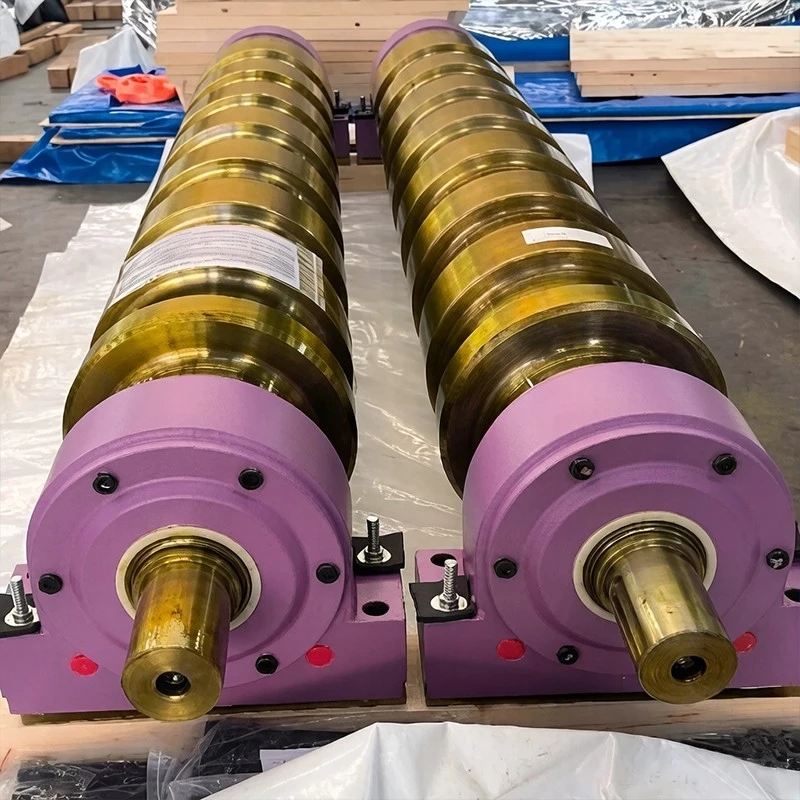
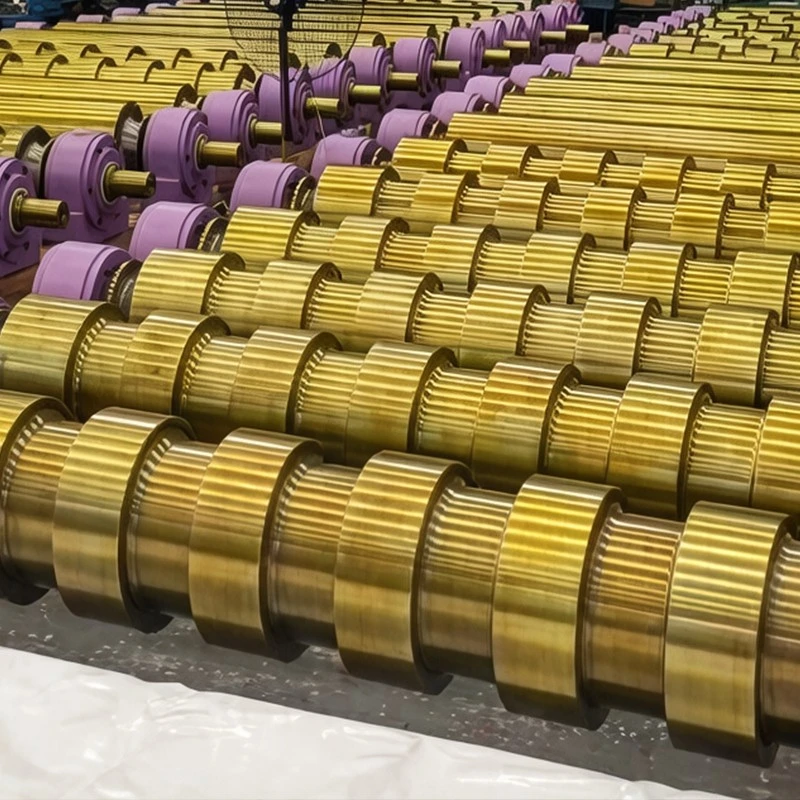
If you're interested in learning more about our Industrial Cooling Bed solutions or have any questions about optimizing the performance of your cooling bed, feel free to reach out to us for a consultation. We're here to help you take your industrial cooling process to the next level.
References
- Smith, J. (2020). Industrial Cooling Bed Design and Operation. Industrial Equipment Journal.
- Johnson, A. (2019). Optimizing Cooling Processes in Metalworking. Manufacturing Today Magazine.
- Brown, C. (2018). Maintenance Best Practices for Industrial Cooling Beds. Equipment Maintenance Review.