

Hey there! As a furnace tube supplier, I've been getting a lot of questions lately about how the length of a furnace tube matters. Well, let me tell you, it's a pretty big deal, and I'm gonna break it down for you in this blog post.
First off, let's talk about what furnace tubes are used for. Furnace tubes are an essential part of many industrial processes, especially in the petrochemical industry. They're used to heat up various substances, like oil and gas, to high temperatures. This heating process is crucial for refining, cracking, and other chemical reactions that turn raw materials into useful products.
Heat Transfer Efficiency
One of the most important things the length of a furnace tube affects is heat transfer efficiency. You see, when you heat a substance inside a furnace tube, the heat has to transfer from the tube's outer surface to the substance inside. The longer the tube, the more surface area there is for this heat transfer to take place.
Imagine you're trying to warm up a cup of coffee. If you use a small mug, it'll heat up faster because there's less volume to heat. But if you use a long, thin thermos, the heat has more surface area to work with, and it can transfer more effectively. The same principle applies to furnace tubes. A longer tube can transfer heat more efficiently to the substance inside, which means you can use less energy to achieve the same temperature.
However, there's a catch. If the tube is too long, the pressure drop along the tube can become significant. This means that it takes more energy to push the substance through the tube, which can offset the gains in heat transfer efficiency. So, there's a sweet spot when it comes to tube length, and it depends on a bunch of factors like the type of substance being heated, the flow rate, and the heating source.
Reaction Time
Another aspect where the length of a furnace tube matters is reaction time. In many industrial processes, the substance inside the tube needs to undergo a chemical reaction. The longer the tube, the more time the substance has to react.
For example, in a pyrolysis process, where large molecules are broken down into smaller ones, a longer Pyrolysis Tube can give the molecules more time to break apart. This can lead to a higher yield of the desired products. But again, you don't want to go overboard. If the reaction time is too long, you might end up with unwanted side reactions or degradation of the products.
Structural Integrity
The length of a furnace tube also has a big impact on its structural integrity. Longer tubes are more prone to sagging and bending under their own weight, especially when they're heated to high temperatures. This can cause problems like uneven heat distribution and even tube failure.
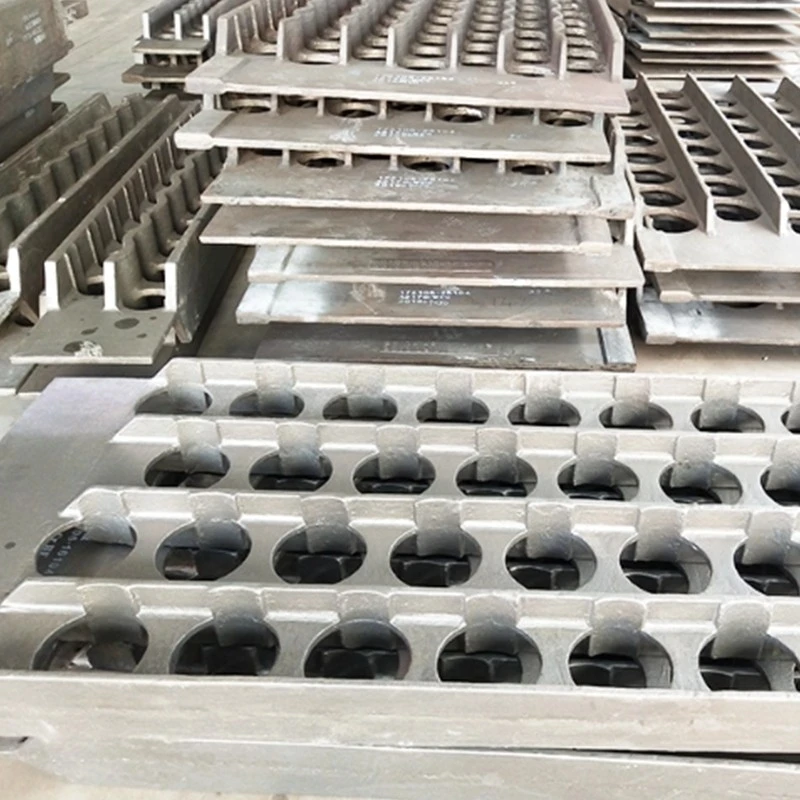
To counteract this, we often use support structures like Intermediate Tube Sheet. These sheets help to hold the tube in place and prevent it from sagging. But even with these supports, there's a limit to how long a tube can be before it becomes too difficult to maintain its structural integrity.
Flow Characteristics
The length of the furnace tube can also affect the flow characteristics of the substance inside. In a shorter tube, the flow is more likely to be turbulent. Turbulent flow can be good because it helps to mix the substance and improve heat transfer. But in a longer tube, the flow is more likely to be laminar. Laminar flow can be less efficient for heat transfer and mixing.
However, there are ways to control the flow characteristics. For example, we can use Helical Finned Tube to create turbulence in the flow. These fins disrupt the laminar flow and make it more turbulent, which can improve heat transfer and mixing.
Types of Furnace Tubes and Length
Different types of furnace tubes have different optimal lengths. For instance, Reformer Catalyst Tubes are used in reforming processes, where hydrocarbons are converted into hydrogen and other useful gases. These tubes need to be long enough to allow the catalyst to work effectively, but not so long that the pressure drop becomes too high.
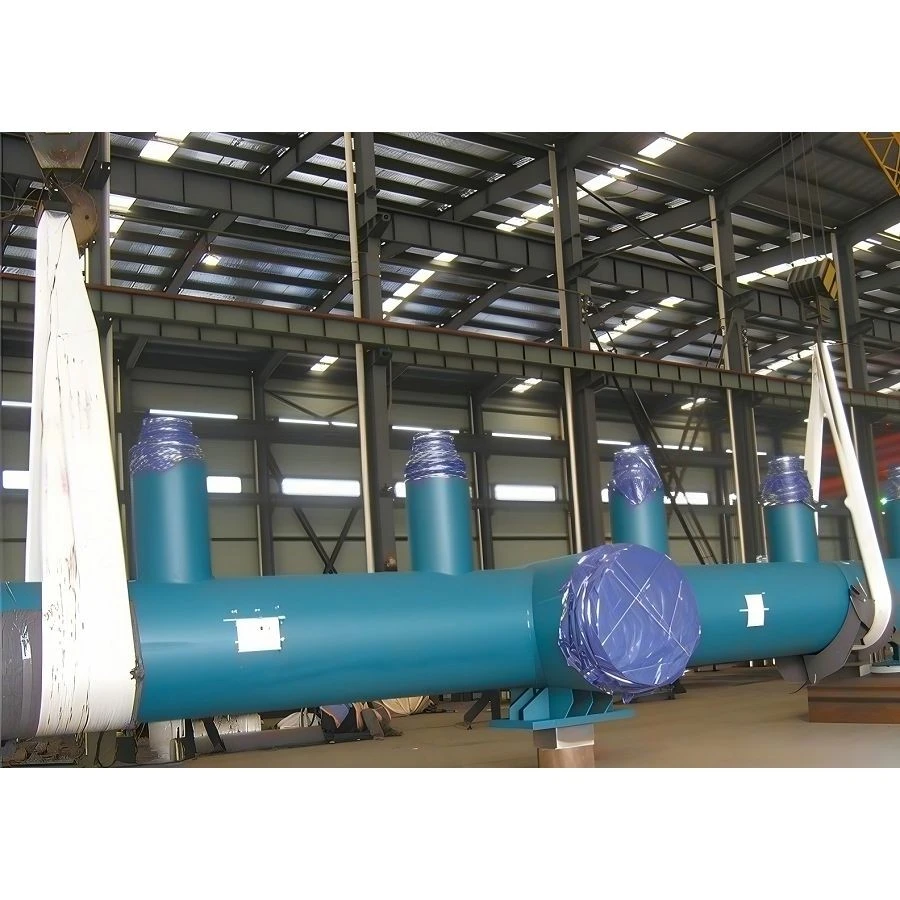
On the other hand, Cold Wall Manifold is used to distribute the flow of substances in a furnace. The length of these manifolds is designed to ensure an even distribution of the flow, and it depends on the number of tubes they're connected to and the flow rate.
Customization
As a furnace tube supplier, we understand that every customer has different needs. That's why we offer customization services. We can work with you to determine the optimal length of the furnace tube for your specific application. Whether you're in the petrochemical industry, the power generation industry, or any other industry that uses furnace tubes, we can help you find the right solution.
If you're looking for high-quality furnace tubes and want to discuss the optimal length for your application, don't hesitate to reach out. We're here to help you make the best decision for your business. Contact us today to start the conversation about your furnace tube needs.
References
- Smith, J. (2018). Industrial Furnace Design. Elsevier.
- Johnson, A. (2019). Heat Transfer in Furnace Tubes. Chemical Engineering Journal.
- Brown, C. (2020). Flow Characteristics in Furnace Tubes. Journal of Fluid Mechanics.