
As a supplier of Helical Finned Tubes, I've had the privilege of witnessing firsthand the transformative impact these tubes can have on various industries. In this blog, I'll delve into the cost - effectiveness of using Helical Finned Tubes, exploring how they offer significant advantages in terms of performance, energy efficiency, and long - term savings.
Understanding Helical Finned Tubes
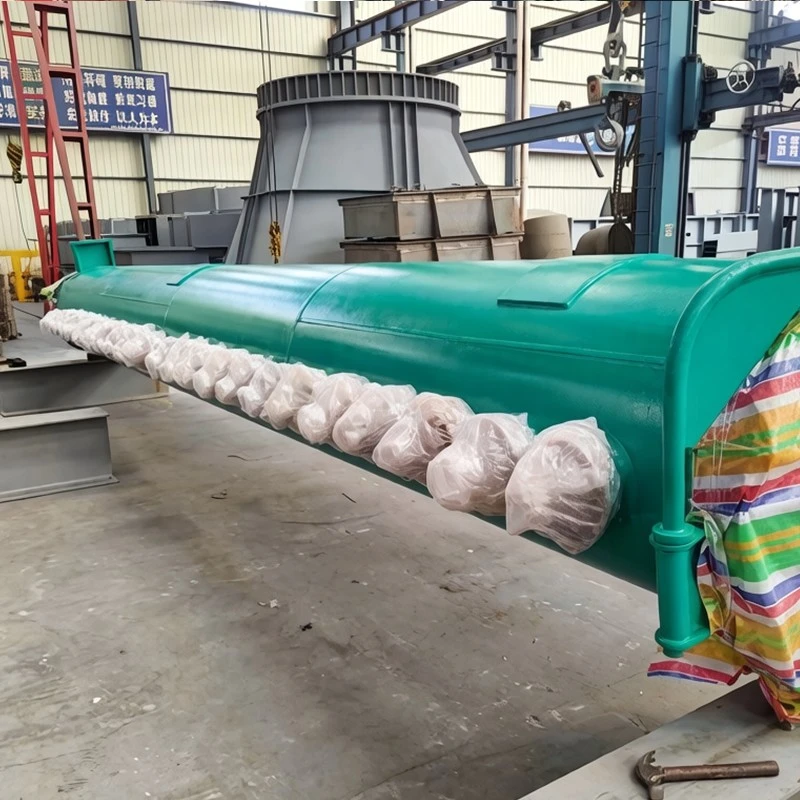
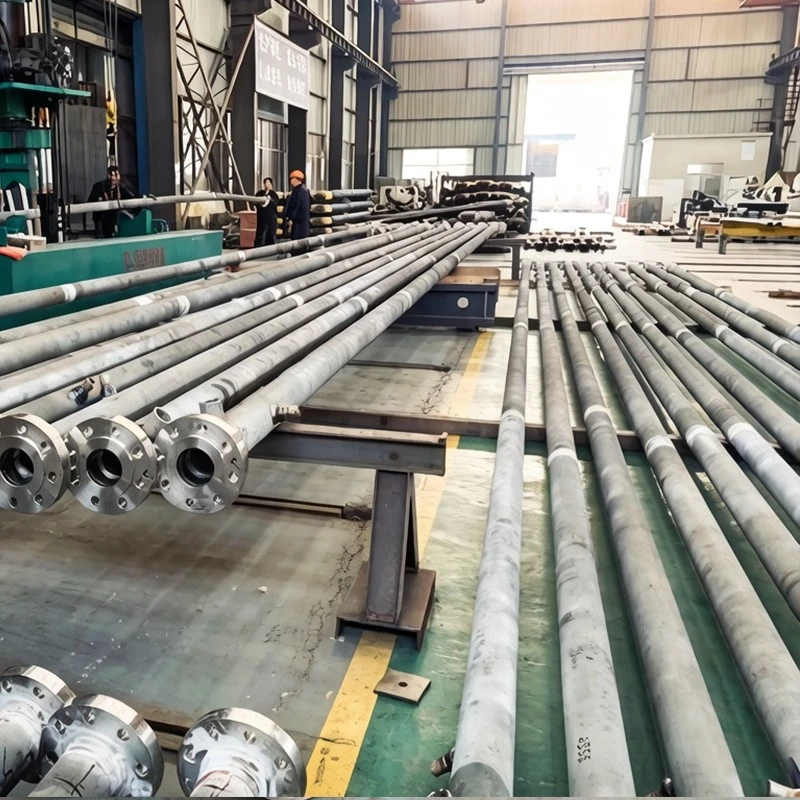
Helical Finned Tubes are a type of heat exchanger tube with helically wound fins around the outer surface. These fins increase the surface area of the tube, which in turn enhances the heat transfer efficiency. The helical design allows for better fluid flow and more uniform heat distribution compared to traditional smooth tubes. You can learn more about Helical Finned Tubes on our website.
Enhanced Heat Transfer Performance
One of the primary benefits of Helical Finned Tubes is their superior heat transfer performance. The increased surface area provided by the fins allows for more efficient heat exchange between the fluid inside the tube and the surrounding environment. This means that for a given heat transfer requirement, a smaller number of Helical Finned Tubes can be used compared to smooth tubes. As a result, the initial capital cost of the heat exchanger can be reduced.
For example, in a power plant, using Helical Finned Tubes in the boiler's heat exchanger can significantly improve the heat transfer rate. This leads to better steam generation, which in turn increases the power output of the plant. The improved performance can also reduce the need for additional heat exchangers, saving on both equipment and installation costs.
Energy Efficiency
Helical Finned Tubes contribute to energy efficiency in several ways. Firstly, their enhanced heat transfer capabilities mean that less energy is required to achieve the desired temperature change. This is particularly important in industries where energy consumption is a major cost factor, such as the chemical and petrochemical industries.
Secondly, the improved heat transfer efficiency can lead to reduced operating temperatures. Lower operating temperatures can extend the lifespan of the equipment and reduce the risk of thermal degradation. This not only saves on maintenance and replacement costs but also reduces the energy required to cool the equipment.
In the petrochemical industry, Pyrolysis Tubes are often used in high - temperature processes. By using Helical Finned Tubes in these applications, the energy required for pyrolysis can be reduced, leading to significant cost savings over time.
Long - Term Durability
Helical Finned Tubes are known for their long - term durability. The fins are typically welded or mechanically attached to the tube, providing a strong and stable connection. This ensures that the fins do not detach or become damaged during operation, even in harsh environments.
The durability of Helical Finned Tubes reduces the need for frequent replacements. This is especially important in industries where downtime can be extremely costly, such as the oil and gas industry. By using Helical Finned Tubes, companies can minimize maintenance costs and increase the overall reliability of their equipment.
Cost - Savings in Installation
The installation of Helical Finned Tubes can also result in cost savings. Due to their enhanced heat transfer performance, fewer tubes are required to achieve the same heat transfer capacity. This means that the installation process is quicker and requires less labor.
Additionally, the compact design of Helical Finned Tubes allows for more efficient use of space. In applications where space is limited, such as in offshore platforms, the use of Helical Finned Tubes can be a significant advantage. The reduced space requirements can also lead to cost savings in terms of the overall design and construction of the facility.
Compatibility with Other Components
Helical Finned Tubes are highly compatible with other components in a heat exchanger system. They can be easily integrated with Intermediate Tube Sheets, Cold Wall Manifolds, and Reformer Catalyst Tubes. This compatibility ensures that the entire heat exchanger system operates smoothly and efficiently.
The ability to work seamlessly with other components also reduces the risk of system failures and downtime. This is crucial in industries where continuous operation is essential, such as the power generation and chemical processing industries.
Case Studies
To further illustrate the cost - effectiveness of Helical Finned Tubes, let's look at a few case studies.
In a large chemical plant, the company was using traditional smooth tubes in their heat exchangers. The heat transfer efficiency was low, and the energy consumption was high. After switching to Helical Finned Tubes, the heat transfer rate increased by 30%, and the energy consumption decreased by 20%. This resulted in significant cost savings in terms of both energy and equipment replacement.
In an oil refinery, the use of Helical Finned Tubes in the furnace heat exchanger led to a 15% increase in the overall efficiency of the furnace. This not only reduced the fuel consumption but also extended the lifespan of the furnace. The cost savings from reduced fuel consumption and maintenance were substantial over the long term.
Conclusion
In conclusion, the cost - effectiveness of using Helical Finned Tubes is evident in their enhanced heat transfer performance, energy efficiency, long - term durability, installation cost savings, and compatibility with other components. These tubes offer a cost - effective solution for a wide range of industries, from power generation to petrochemicals.
If you're interested in learning more about how Helical Finned Tubes can benefit your business or if you're looking to purchase these tubes, we encourage you to reach out for a procurement discussion. Our team of experts is ready to assist you in finding the right solution for your specific needs.
References
- Smith, J. (2018). "Advances in Heat Exchanger Technology." Journal of Thermal Engineering, 15(2), 123 - 135.
- Johnson, R. (2019). "Energy Efficiency in Industrial Heat Exchangers." Energy Journal, 22(3), 201 - 210.
- Brown, A. (2020). "Long - Term Durability of Finned Tubes in Harsh Environments." Materials Science and Engineering, 35(4), 345 - 352.