

Can misaligned furnace tube hangers lead to tube damage?
As a leading supplier of Furnace Tube Hanger, I've had the opportunity to witness firsthand the critical role furnace tube hangers play in the proper functioning of industrial furnaces. One question that frequently arises in discussions with customers is whether misaligned furnace tube hangers can lead to tube damage. In this blog post, I'll delve into this issue, exploring the potential consequences of misaligned hangers and why ensuring their proper alignment is crucial for the longevity and efficiency of furnace tubes.
Understanding Furnace Tube Hangers
Before we discuss the impact of misalignment, let's first understand what furnace tube hangers are and what they do. Furnace tube hangers are essential components in industrial furnaces, designed to support the weight of the tubes and maintain their proper positioning within the furnace. These hangers are typically made from high - strength materials that can withstand the high temperatures and harsh operating conditions inside the furnace.
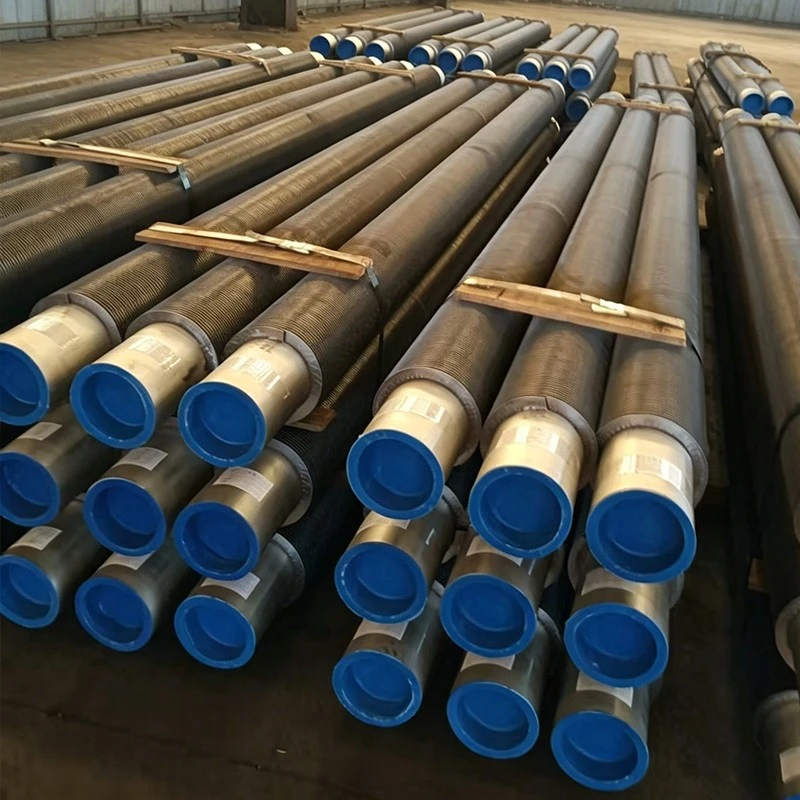
There are different types of furnace tube hangers, each with its own design and application. For example, some hangers are used for straight tubes, while others are designed for Helical Finned Tube which require a more specialized support system. The hangers must be carefully selected and installed to ensure that they can effectively support the tubes and distribute the weight evenly.
The Consequences of Misaligned Furnace Tube Hangers
Uneven Stress Distribution
One of the most significant problems caused by misaligned furnace tube hangers is uneven stress distribution. When the hangers are not properly aligned, the load on the tubes is not evenly distributed. Some areas of the tubes may bear more weight than others, leading to excessive stress in those regions. Over time, this uneven stress can cause the tubes to deform. Deformation can manifest in various ways, such as bending or sagging of the tubes.
Vibration and Fatigue
Misaligned hangers can also cause increased vibration in the furnace tubes. The tubes may not be held firmly in place, and as a result, they can vibrate more freely. This vibration can lead to metal fatigue. Metal fatigue occurs when a material is subjected to repeated stress cycles, causing microscopic cracks to form and eventually grow. Once these cracks reach a critical size, the tube can fail catastrophically, leading to costly downtime and potential safety hazards.
Thermal Expansion Issues
Furnace tubes expand and contract during the heating and cooling cycles. Properly aligned hangers allow for this thermal expansion and contraction without causing damage to the tubes. However, misaligned hangers can restrict the natural movement of the tubes due to thermal expansion. This restriction can cause additional stress on the tubes, leading to cracking and other forms of damage. For instance, if a tube is unable to expand freely during the heating process because of a misaligned hanger, it can build up internal pressure, which may ultimately lead to the tube bursting.
Identifying Misaligned Furnace Tube Hangers
It's essential to have a systematic approach to identifying misaligned furnace tube hangers. Regular inspections are key. Visual inspections can reveal obvious signs of misalignment, such as hangers that are not in the correct position or tubes that are visibly sagging. However, visual inspections may not always be sufficient, especially for more subtle misalignments.
Advanced inspection techniques can also be used. For example, ultrasonic testing can be used to detect internal damage in the tubes that may be caused by misaligned hangers. Laser scanning technology can be used to accurately measure the alignment of the hangers and tubes. By using a combination of visual and advanced inspection methods, you can ensure that any misalignments are detected early and addressed before they cause significant damage.
Preventing Misalignment and Tube Damage
As a Furnace Tube Hanger supplier, I emphasize the importance of proper installation and maintenance to prevent misalignment. During the installation process, it's crucial to follow the manufacturer's guidelines precisely. This includes ensuring that the hangers are installed at the correct spacing and angle, and that they are properly tightened.
Regular maintenance is also essential. This includes checking the alignment of the hangers during routine furnace inspections, lubricating moving parts (if applicable), and replacing any worn - out or damaged hangers promptly. By investing in proper installation and maintenance, you can significantly reduce the risk of misalignment and tube damage, saving both time and money in the long run.
The Role of High - Quality Furnace Tube Hangers
Using high - quality furnace tube hangers is another important factor in preventing tube damage. High - quality hangers are made from materials that have excellent heat resistance, strength, and durability. They are designed to withstand the harsh conditions inside the furnace and provide reliable support for the tubes.
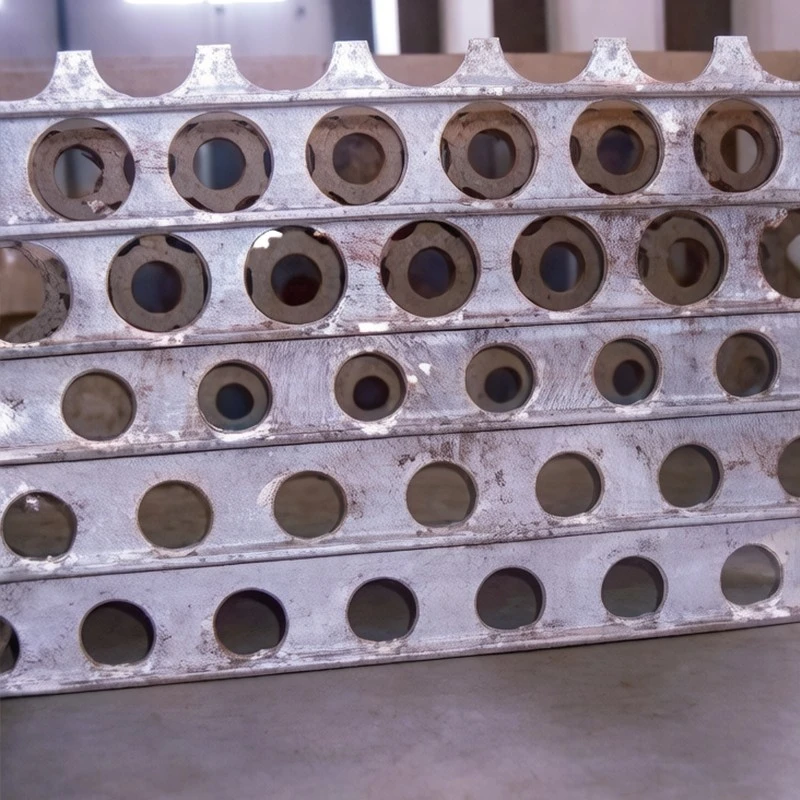
As a supplier, we offer a wide range of furnace tube hangers, including those specifically designed for Pyrolysis Tube, Cold Wall Manifold, and Intermediate Tube Sheet. Our products are manufactured to strict quality standards, ensuring that they can meet the demanding requirements of industrial furnaces.
Conclusion
In conclusion, misaligned furnace tube hangers can indeed lead to tube damage. The uneven stress distribution, vibration, and thermal expansion issues caused by misaligned hangers can all contribute to the deterioration of furnace tubes. However, by taking proactive steps such as proper installation, regular maintenance, and using high - quality hangers, you can prevent misalignment and extend the lifespan of your furnace tubes.
If you're in the market for reliable Furnace Tube Hanger, I encourage you to reach out to us. We have the expertise and the product range to meet your specific needs. Whether you're looking for hangers for a new furnace installation or need to replace existing ones, our team is ready to assist you. Contact us for a consultation and let's discuss how we can help you ensure the optimal performance of your industrial furnaces.
References
- Smith, J. (2018). Industrial Furnace Design and Operation. Elsevier.
- Brown, A. (2019). The Impact of Component Alignment on Industrial Equipment Longevity. Journal of Industrial Engineering, 25(3), 45 - 52.
- Green, C. (2020). High - Temperature Materials for Furnace Applications. Materials Science Review, 12(2), 78 - 90.