

The reformer catalyst tube plays a crucial role in various chemical processes, especially in reforming reactions. As a leading supplier of reformer catalyst tubes, we have been deeply involved in understanding the factors that affect their performance. One such significant factor is the packing density of the catalyst within these tubes. In this blog, we will delve into how packing density impacts the performance of reformer catalyst tubes.
Basics of Reformer Catalyst Tubes
Reformer catalyst tubes are designed to facilitate chemical reactions under specific conditions. They are commonly used in processes like steam reforming of hydrocarbons, which is vital for the production of hydrogen, synthesis gas, and other valuable chemicals. The catalyst inside these tubes provides an active surface area for the reactant molecules to interact, thereby increasing the reaction rate and selectivity.
Understanding Packing Density
Packing density refers to the mass of the catalyst per unit volume of the tube. It is a measure of how tightly the catalyst particles are packed within the tube. A high packing density means that more catalyst mass is present in a given volume, while a low packing density implies a more loosely packed catalyst bed.
Impact on Reaction Kinetics
Reaction Rate
The packing density directly affects the reaction rate within the reformer catalyst tube. A higher packing density generally leads to an increased reaction rate. This is because a greater amount of catalyst in a given volume provides more active sites for the reactant molecules. With more active sites available, the probability of reactant molecules colliding with the catalyst surface and undergoing a reaction is significantly enhanced.
For example, in steam reforming of methane, a higher packing density of the nickel-based catalyst can lead to a faster conversion of methane and steam to hydrogen and carbon monoxide. The increased reaction rate can result in higher production of the desired products, which is beneficial for industrial applications.
Selectivity
Selectivity is another important aspect of the reaction kinetics. It refers to the ability of the catalyst to promote the formation of the desired product over other possible by - products. Packing density can influence selectivity in several ways.
A well - packed catalyst bed with an optimal density can ensure uniform flow distribution of the reactants. This uniform flow enables the reactant molecules to interact evenly with the catalyst surface, leading to better selectivity. If the packing density is too low, the flow of reactants may be uneven, causing some parts of the catalyst to be under - utilized while others are over - exposed. This can result in the formation of unwanted by - products and a decrease in overall selectivity.
On the other hand, an extremely high packing density can lead to diffusion limitations. Reactant molecules may have difficulty diffusing through the densely packed catalyst bed to reach the active sites. This can cause local concentrations of reactants and products to deviate from the ideal values, potentially affecting the selectivity of the reaction.
Influence on Heat and Mass Transfer
Heat Transfer
Heat transfer is a critical factor in reforming reactions, as many of these reactions are endothermic or exothermic. The packing density of the catalyst affects the heat transfer characteristics within the reformer catalyst tube.
A higher packing density generally improves the heat transfer efficiency. The catalyst particles in a densely packed bed are in closer contact with each other, allowing for better conduction of heat. This is particularly important in endothermic reactions, where heat needs to be efficiently transferred to the reactants to drive the reaction forward. For example, in steam reforming, the endothermic nature of the reaction requires a continuous supply of heat. A well - packed catalyst bed can help in distributing the heat more evenly, preventing hot spots and ensuring a more efficient reaction.
However, if the packing density is too high, the void spaces between the catalyst particles become smaller. This can impede the flow of the heat - carrying fluid (such as the reactant gas), reducing the convective heat transfer component. As a result, the overall heat transfer efficiency may decrease, leading to temperature gradients within the tube and potentially affecting the reaction performance.
Mass Transfer
Mass transfer is also closely related to the packing density. Reactant molecules need to diffuse through the catalyst bed to reach the active sites, and product molecules need to diffuse out. A proper packing density is essential for efficient mass transfer.
At a moderate packing density, the void spaces between the catalyst particles provide sufficient pathways for the diffusion of reactants and products. However, if the packing density is too low, the diffusion paths may be too long, and the reactant molecules may not reach the active sites in a timely manner. This can lead to a decrease in the reaction rate.
Conversely, a very high packing density can restrict the diffusion of reactants and products. The small void spaces can create a high resistance to mass transfer, causing a build - up of reactants and products near the catalyst surface. This can lead to a decrease in the overall reaction efficiency and may even cause catalyst deactivation due to the accumulation of by - products.
Pressure Drop
The packing density of the catalyst has a direct impact on the pressure drop across the reformer catalyst tube. As the gas flows through the catalyst bed, it experiences resistance due to the presence of the catalyst particles. A higher packing density generally results in a higher pressure drop.
A moderate pressure drop is acceptable in most industrial processes, as it can help in ensuring a uniform flow of reactants through the catalyst bed. However, an excessive pressure drop can be problematic. It requires more energy to pump the reactant gas through the tube, increasing the operating costs. Moreover, a very high pressure drop can cause mechanical stress on the tube and may even lead to tube failure over time.
Therefore, it is important to optimize the packing density to maintain an acceptable pressure drop while still achieving good reaction performance.
Relevance of Other Furnace Tube Components
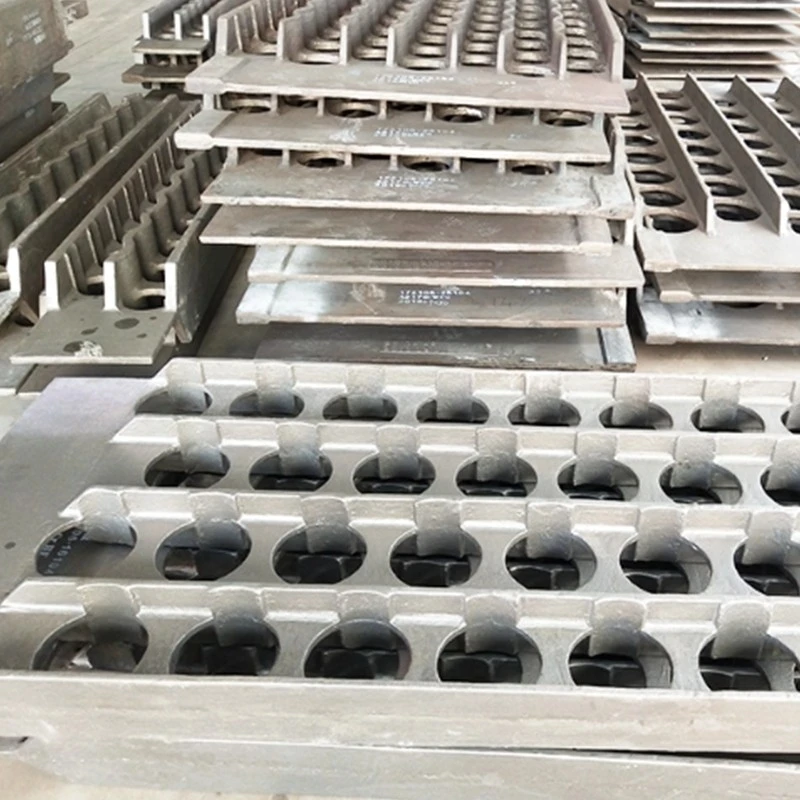
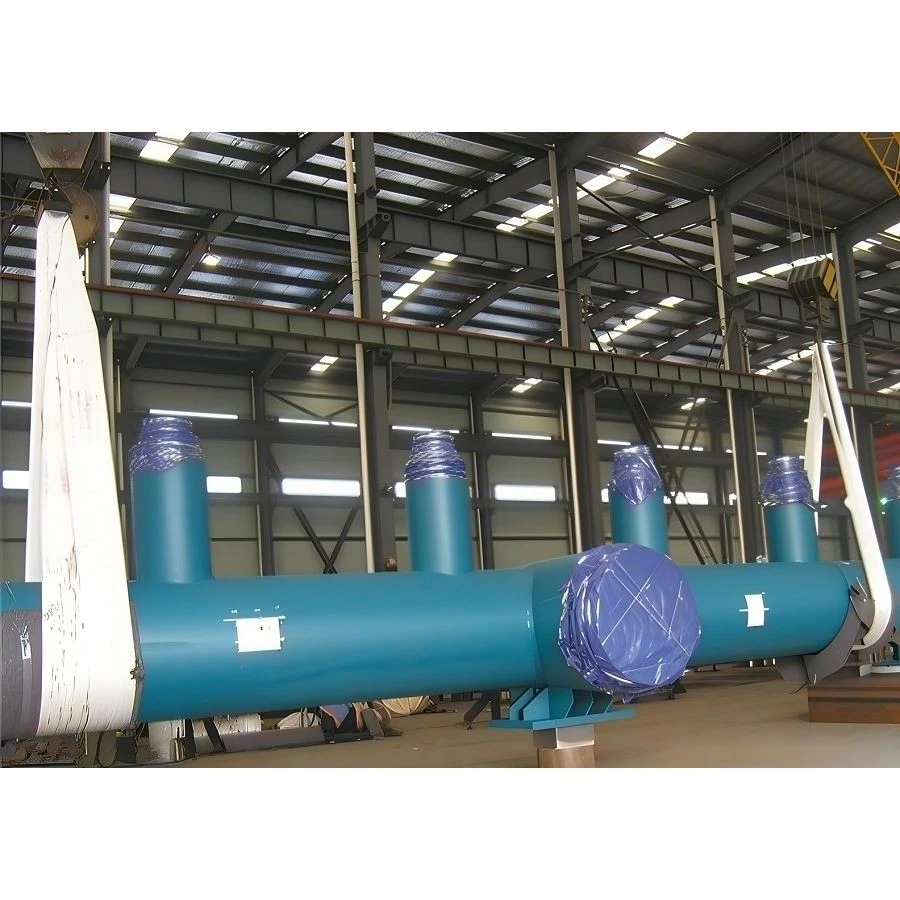
In addition to the reformer catalyst tubes, other components in the furnace system also play important roles. For example, the Pyrolysis Tube is used in pyrolysis processes and can work in conjunction with the reformer catalyst tubes. The Helical Finned Tube can enhance heat transfer in the furnace, improving the overall efficiency of the reforming process. The Cold Wall Manifold helps in distributing the gas evenly, and the Furnace Tube Hanger provides support to the tubes. The Intermediate Tube Sheet also contributes to the structural integrity of the tube system.
Conclusion
The packing density of the catalyst in reformer catalyst tubes has a profound impact on their performance. It affects reaction kinetics, heat and mass transfer, and pressure drop. As a supplier of reformer catalyst tubes, we understand the importance of optimizing the packing density to meet the specific requirements of different industrial processes.
If you are in need of high - quality reformer catalyst tubes or other related furnace tube components, we invite you to contact us for procurement and further discussion. Our team of experts is ready to provide you with the best solutions tailored to your needs.
References
- Robert J. Farrauto, Charles H. Bartholomew. "Fundamentals of Industrial Catalytic Processes". Wiley, 2006.
- John M. Smith, Hendrick C. Van Ness, Michael M. Abbott. "Introduction to Chemical Engineering Thermodynamics". McGraw - Hill, 2005.